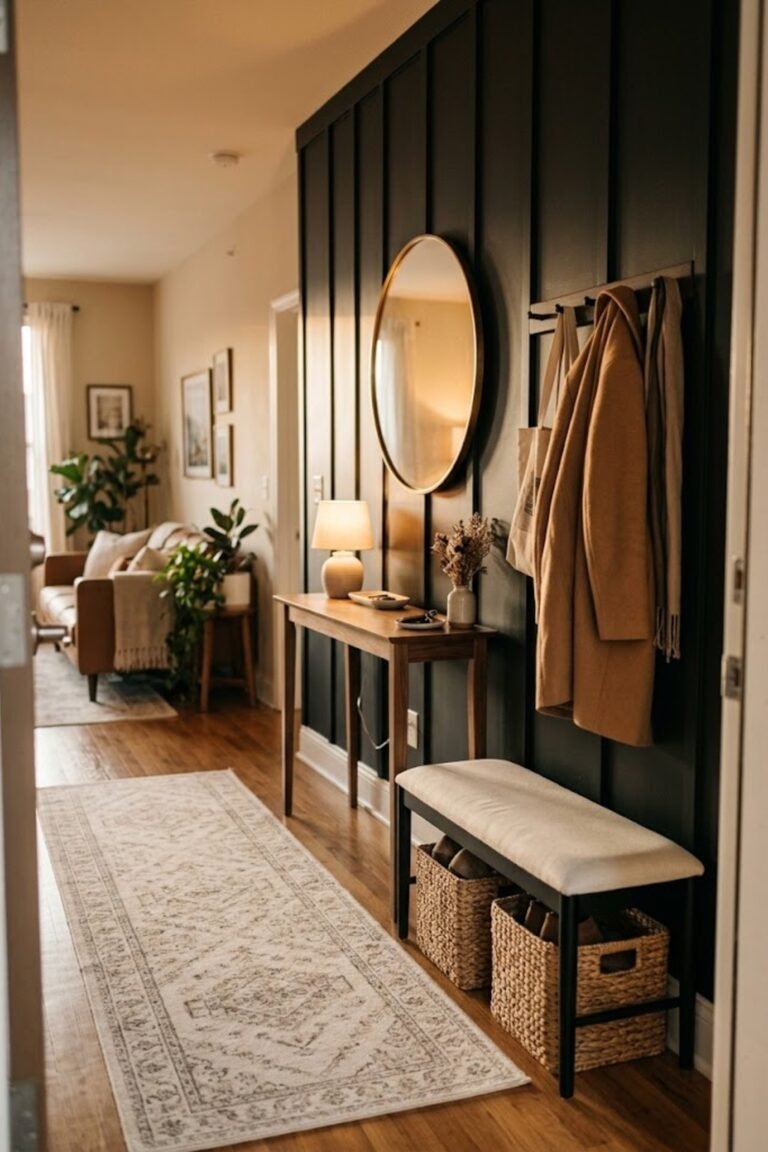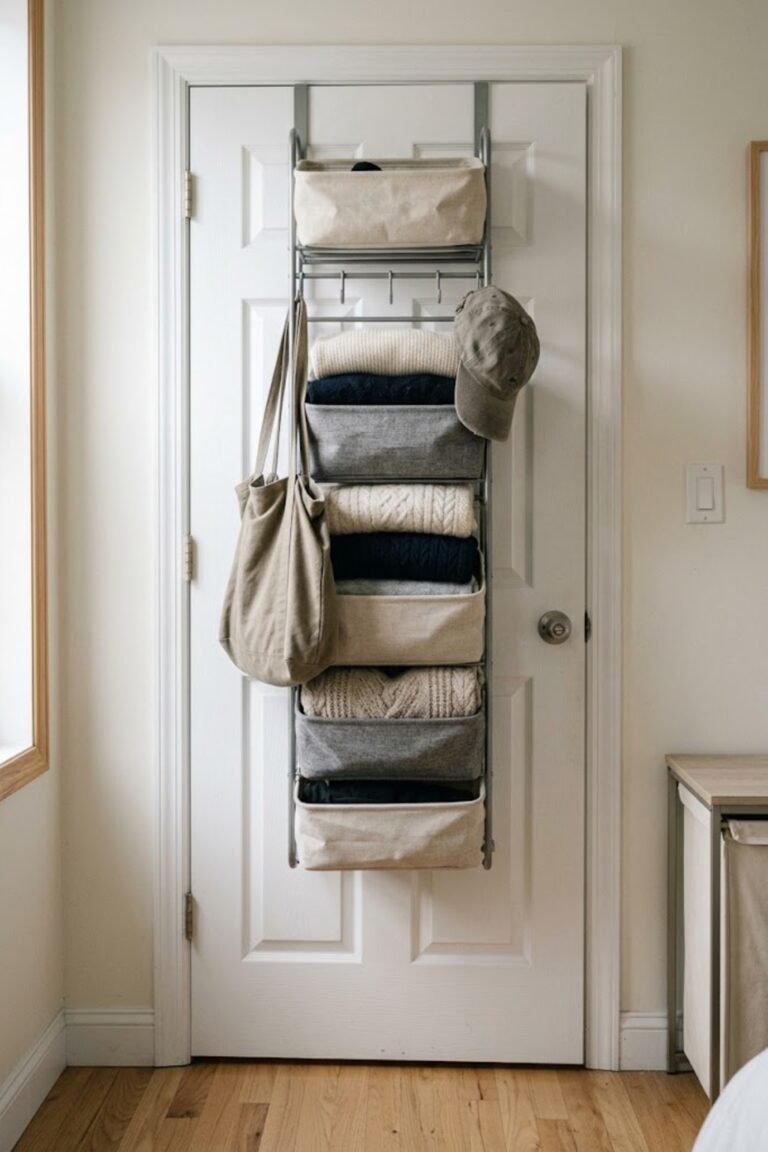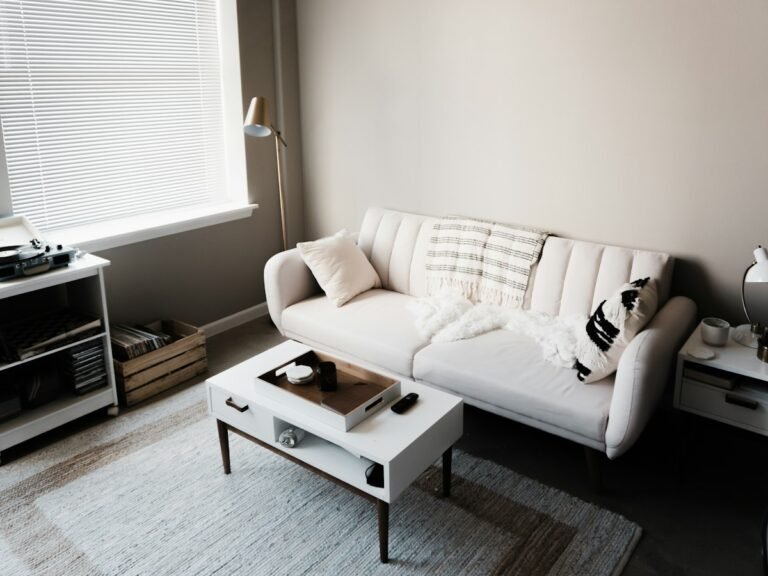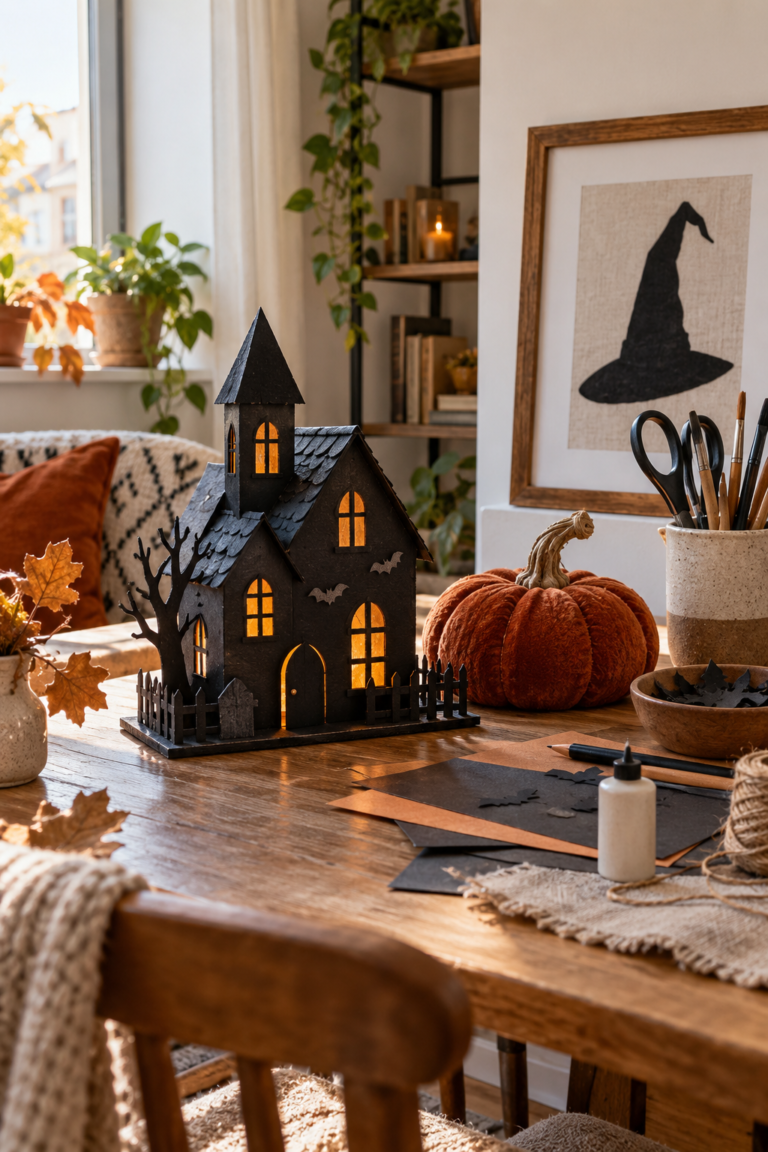

Begin with rugs, lamps and furniture placement. For adhesives, wall coverings and fixture swaps, check the exact product instructions and your lease first; no decorating method guarantees that every surface or deposit will be unaffected.
In this guide
A rental can feel personal without a major renovation. Start with the changes you can move with you, then consider wall products and fixture swaps only when your lease and the product instructions allow them.
These 21 ideas cover walls, textiles, furniture and lighting. Removable does not mean risk-free: paint condition, surface type, installation and removal all affect the result.
📦 Rule zero
Keep a box in your closet labeled “move-out” for anything original you remove. You will thank me in twelve months.

Walls Without a Single Hole
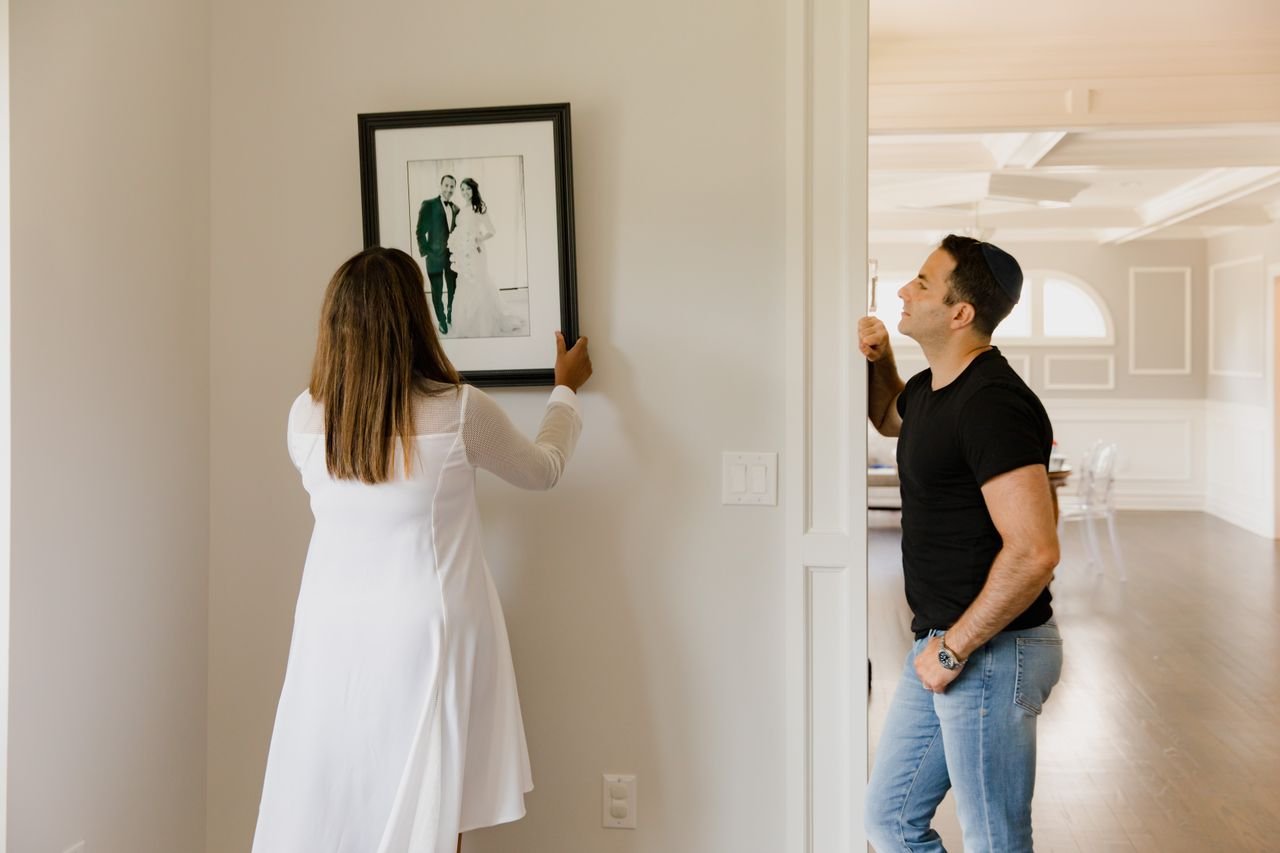
1. Command strips for art (and knowing their limits)
- Check the exact strip package for frame dimensions, weight limit and required number of pairs. A rating for one product is not a rating for every adhesive strip.
- Press each strip to the wall for 30 seconds, then wait an hour before hanging.
- At move-out, pull the tab straight down along the wall — not toward you.
2. Command hooks for curtains, wreaths, and hats
- Use hooks specifically designed for curtain rods, within their stated rod diameter and total curtain weight limits.
- A row of them makes a no-drill hat wall.
- A single clear hook holds fairy lights along the ceiling line, invisibly.
3. Build a gallery wall with paper templates first
- Trace each frame on kraft paper, tape the papers up, rearrange until it works.
- Then swap paper for frames one at a time.
- Measure the gaps between templates before buying hangers so you can plan the number needed.
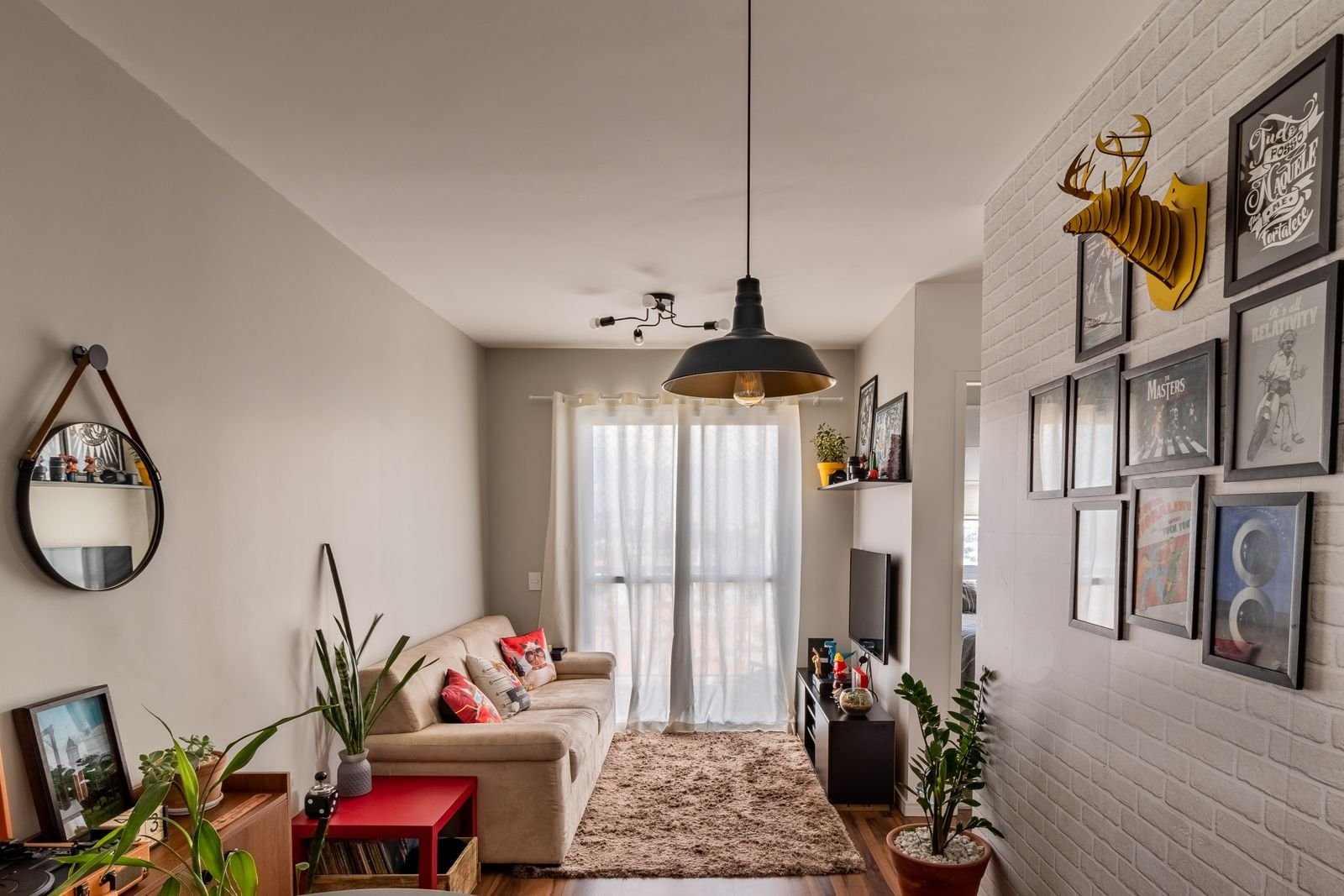
4. Lean what you cannot hang
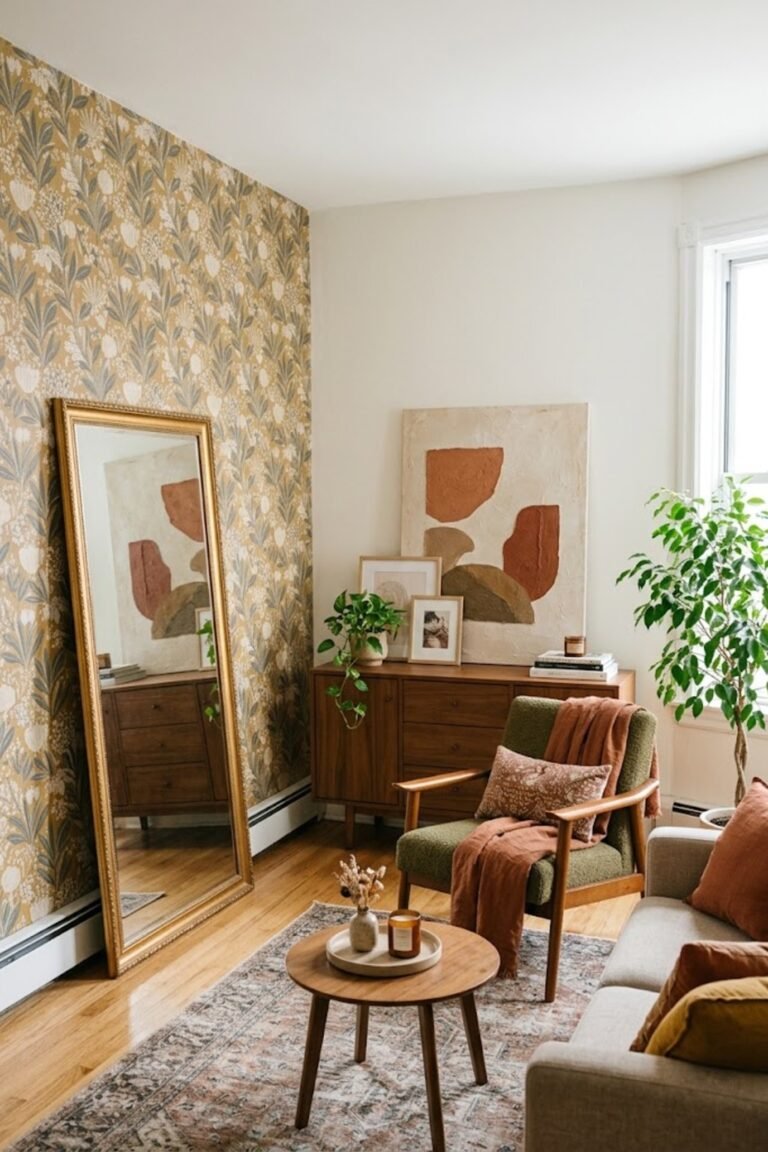
- Big mirrors, oversized art, stacked frames on a dresser — leaning reads relaxed and expensive.
- Heavy mirrors and frames can fall even when leaned. Follow the manufacturer’s restraint instructions and keep them away from traffic routes; if safe installation is not possible, choose smaller pieces.
Peel-and-Stick Everything
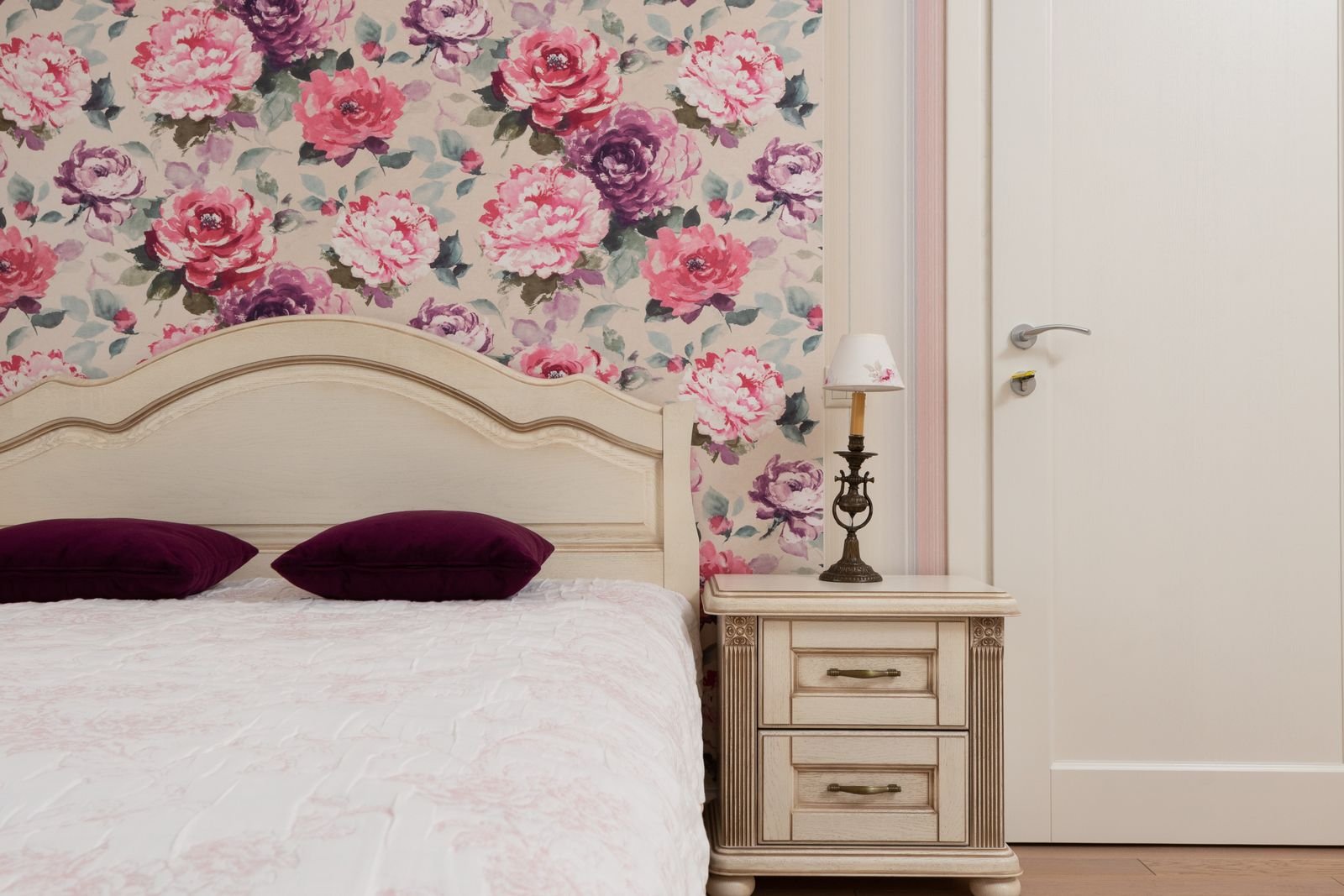
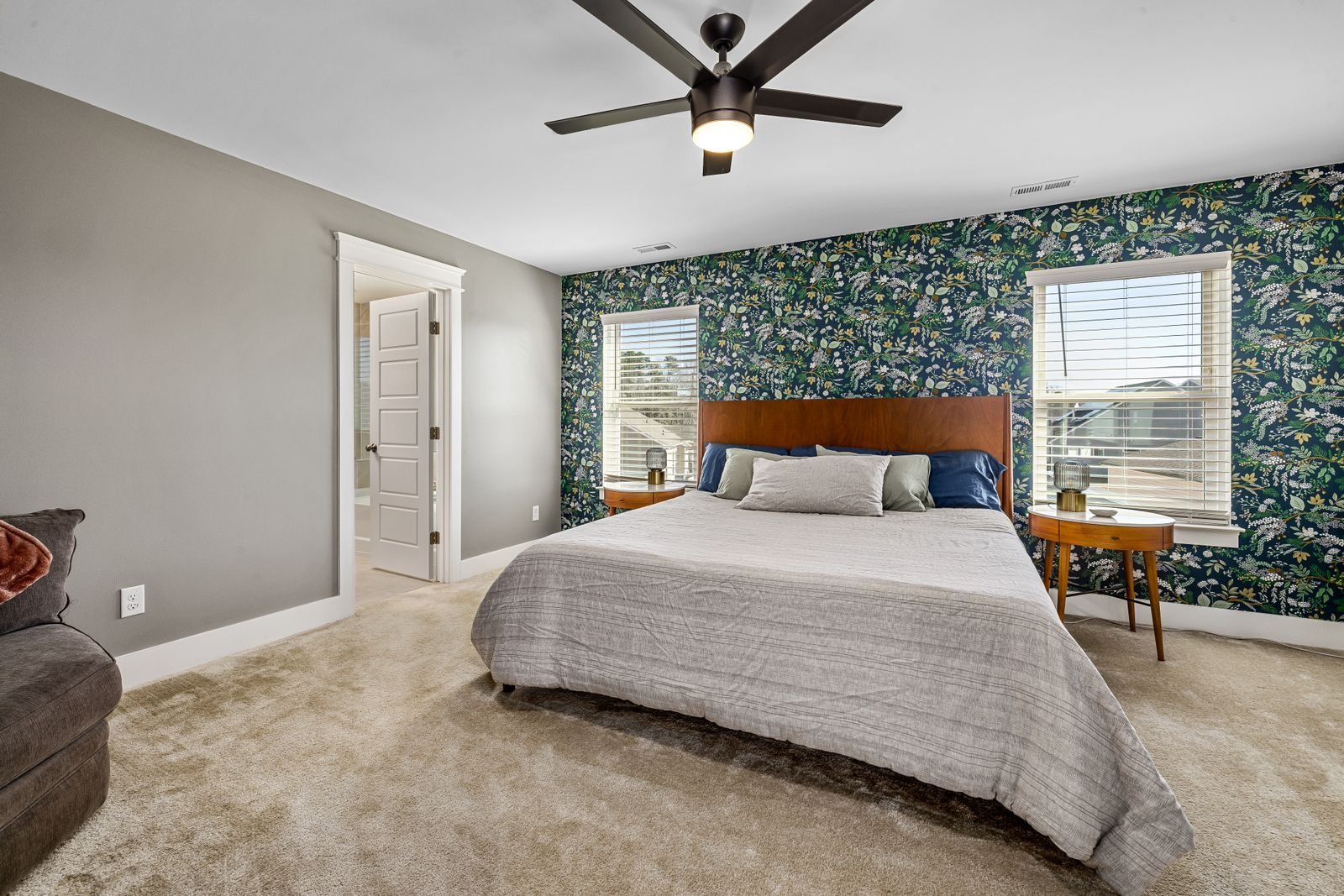
5. Peel-and-stick wallpaper on one wall
- One budget-friendly accent wall behind the bed or sofa changes the entire room.
- Prepare the wall exactly as the wallpaper manufacturer specifies. Check paint cure time, buy a sample, and test both adhesion and removal in an inconspicuous area before covering a wall.
- Damaged, textured, freshly painted or incompatible surfaces can fail. A successful small test lowers uncertainty but does not guarantee damage-free removal.
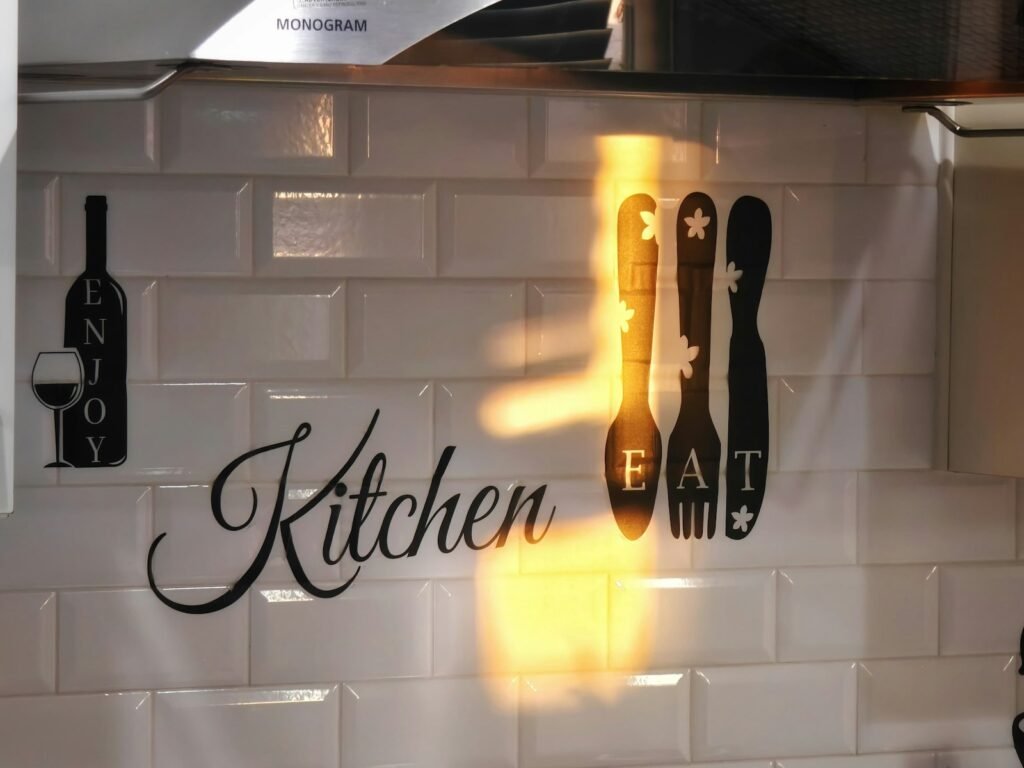
6. Peel-and-stick backsplash in the kitchen
- The 3D gel kind looks far more real than the flat printed kind — worth the small extra cost.
- Do not assume peel-and-stick panels are suitable behind a stove. Follow both the panel manufacturer’s temperature/clearance limits and the appliance instructions; use a different location if the product is not approved for that exposure.
7. Contact paper for counters and shelf liners
- Marble-look contact paper over dated laminate counters is a classic for a reason.
- Expect variable wear, especially near water and heat. Use a cutting board and trivet, avoid direct food preparation on unapproved film, and test removal before covering a large area.
8. Removable window film for privacy and light
- Frosted static-cling film solves bathroom windows, ugly views, and first-floor privacy.
- Cuts with scissors, applies with soapy water, peels off residue-free — there is no adhesive.
- Stained-glass-look film in a rental bathroom is a sneaky-gorgeous move.
Tension Rods: The Renter’s Power Tool
9. Curtains without drilling
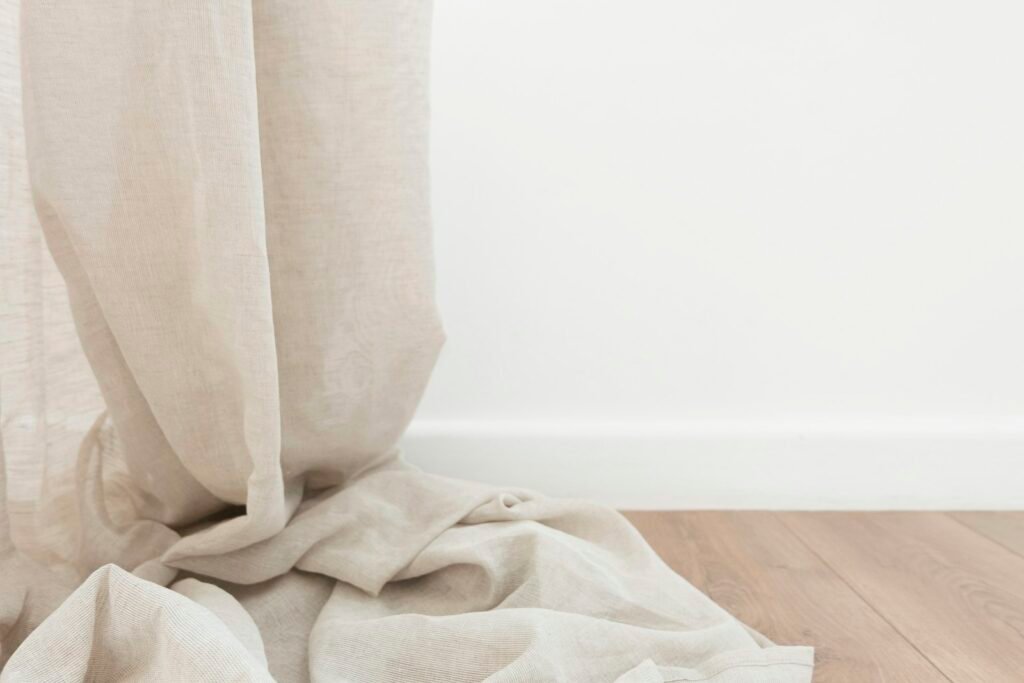
- A tension rod inside the window frame handles cafe curtains and light panels.
- For floor-length drama, spring-loaded floor-to-ceiling poles pressure-fit and hold real curtain panels.
10. A tension rod under the sink
- Hang spray bottles by their triggers from a short rod inside the cabinet.
- Five minutes — and the cabinet floor is suddenly free for bins.
11. Fake a closet anywhere
- A floor-to-ceiling tension rod system plus a curtain panel hides a storage corner, laundry machine, or office nook.
- “Custom built-in” energy in a studio, no drilling.
- Measure the rail height and curtain drop first. Keep the curtain clear of heaters and appliance vents, and keep access to stored items easy.
Furniture That Works Harder Than Your Walls
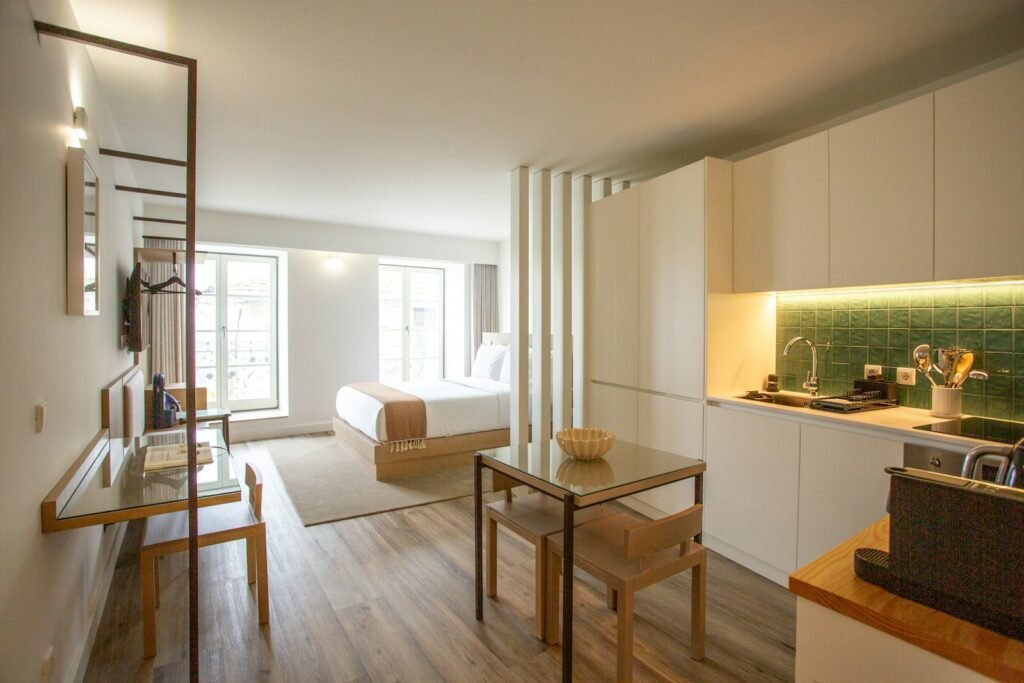
12. Freestanding shelving instead of mounted shelves
- Freestanding shelving adds storage, but bookcases may still require wall restraints. Follow the furniture instructions and obtain permission for necessary anchoring.
- Use the specified anti-tip hardware. A shorter or wider unit is not automatically exempt from restraint requirements.
13. A bookcase as a room divider
- In a studio, an open-backed shelf perpendicular to the wall creates a “bedroom” without construction.
- Style it half books, half baskets, and leave some cubbies open so light passes through.
- Compare secondhand and new prices, including delivery and any missing hardware. Check that the unit is designed and stable for divider use.
14. Rugs over floors you did not choose
- Ugly carpet? A large flatwoven rug lays flat right on top — go low-pile over carpet or it will ripple.
- For vinyl or laminate, choose a rug pad explicitly compatible with the flooring finish. Some backing materials can stain or damage floors.
- The floor is usually the biggest ugly thing in a rental — and the easiest to hide completely.
Swap It, But Save It: The Fixture Rule
🔧 The golden rule of rental swaps
Anything you unscrew goes straight into your move-out box, and everything goes back before the final walkthrough. Keeping originals helps you restore the room, but it does not guarantee a returned deposit. Get permission for changes where required.
15. Cabinet knobs and drawer pulls
- The highest-impact screwdriver project in any rental kitchen.
- Matte black or brushed brass knobs, one screwdriver, one podcast episode.
- Bag the originals, label the bag, done.
16. The shower head
- Rental shower heads are somehow always terrible.
- Check lease permission and fitting compatibility first. Follow the showerhead instructions for washers, sealants and tightening; test for leaks and stop if the fitting is damaged or will not seal.
- The single best quality-of-life upgrade on this list. Old one lives in the move-out box.
17. Lampshades and switch plates
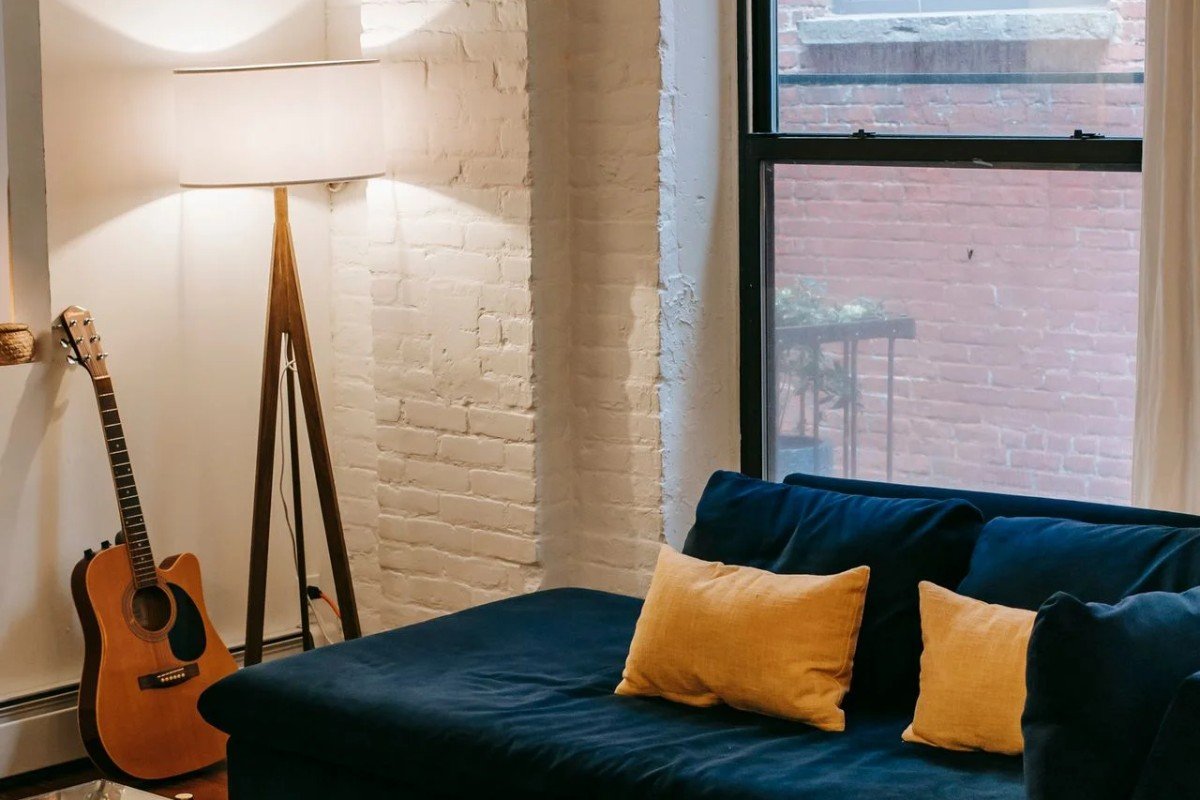
- Leave hardwired fixtures and electrical fittings to qualified help. For a simple plug-in lamp shade change, unplug the lamp and choose a compatible shade with adequate bulb clearance.
- A freestanding lamp is a straightforward alternative when changing a ceiling fitting would require permission or electrical work.
Light Without Wiring Anything
18. Plug-in sconces and pendants
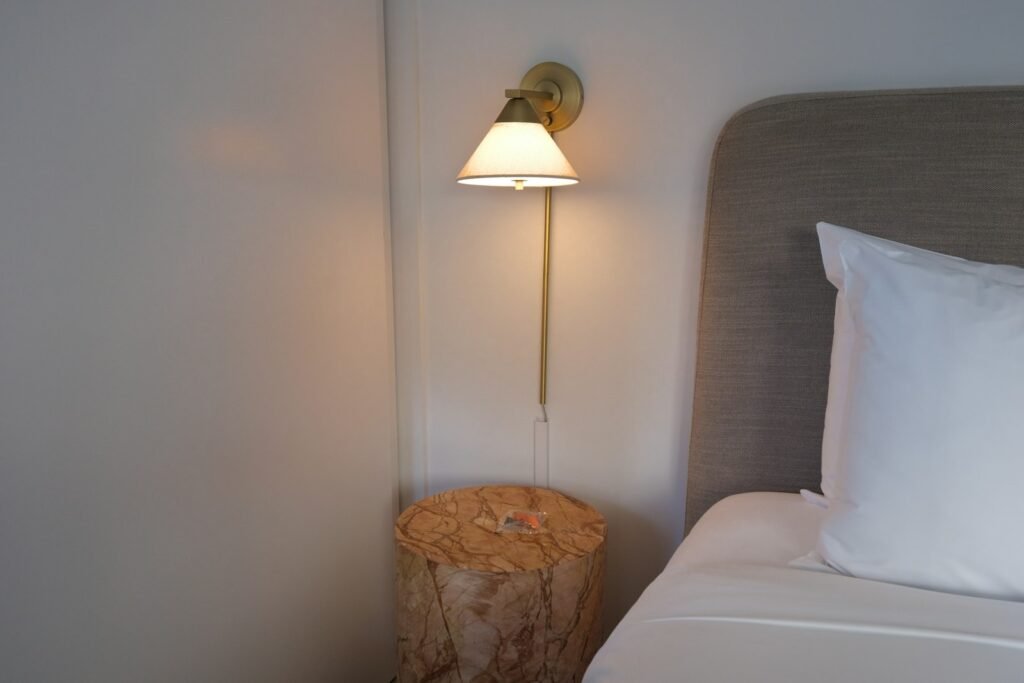
- Use the sconce manufacturer’s specified mounting hardware. Do not substitute an adhesive strip unless the product explicitly supports that mounting method.
- Hide the cord with a peel-and-stick channel painted to match the wall.
- Bedside sconces with zero electrician? Yes.
19. Battery and rechargeable lights everywhere else
- Rechargeable puck lights under kitchen cabinets.
- A battery picture light over your favorite art.
- Motion-sensor strips inside dark closets.
- Warm white only — 2700K — so everything matches your lamps.
Protect That Deposit Like It Is Your Job
20. Know what landlords usually allow (and ask anyway)
- Lease rules differ. Read your agreement before painting, drilling, applying wall coverings or changing fixtures; ask for written permission when the terms are unclear.
- Usually needs written permission: paint, non-removable wallpaper, drilling into tile, swapping hardwired fixtures.
- The magic move: a short, friendly email — because an email is permission you can prove later. A call is not.
21. Document everything, twice
- Day one: video every room, every scuff, every stain — email it to yourself so it is timestamped.
- At move-out, follow the agreed restoration requirements and product-specific removal instructions. Test any cleaner on a hidden area, reinstall approved originals, and photograph the final condition.
- Keep before-and-after records and written permissions; deposit outcomes depend on the lease, condition and applicable local rules.
FAQ: Damage-Free Decorating
Does peel-and-stick wallpaper really come off clean?
Not always. Compatibility and removal depend on the product, paint and surface condition. Follow the manufacturer’s preparation, cure-time and removal instructions, and test a sample first. Do not apply heat unless the instructions allow it.
How much weight can adhesive strips actually hold?
Use the weight and frame-size limits printed on the exact package, including the required number of pairs. Follow surface restrictions and the full application sequence. Command advises against hanging picture strips above beds or on wallpaper and against using them for valuable or irreplaceable items.
Can my landlord charge me for small nail holes?
Rules and circumstances vary by location. Check your lease and local tenant guidance, agree restoration requirements in writing, and do not assume adhesive products cannot cause chargeable damage.
Start With the Move-Out Box
- Before you buy a single roll of wallpaper, grab a cardboard box, write “MOVE-OUT” on it, and put it in your closet.
- Keep labeled screws, hardware and approved removed parts together so restoration is easier.
- Then pick your first project based on what annoys you most every day.
Pick one reversible improvement that solves a daily frustration, price the full project and check the instructions before you buy. A small, well-planned change is easier to finish and easier to undo.