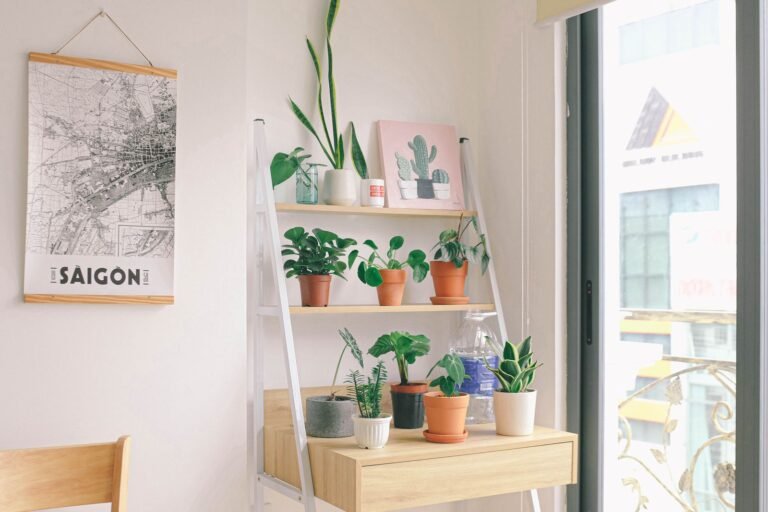
Inspect condition before buying, price the supplies and transport, and choose one low-risk decorative project. Skip unsafe electrical items and unknown old painted finishes.
In this guide
- The Always-Grab List
- Flips 1–5: Paint Fixes Almost Everything
- Flips 6–10: Hardware, Fabric, and Five-Minute Wins
- Flips 11–15: The Bigger Swings
- What to Leave on the Shelf
- Where to Hunt (and When)
- The Honest Math: Thrift Flip vs. Retail
- FAQ: Thrift Flip Questions I Get Constantly
- Grab the Ugly Lamp
- Before you flip
Secondhand decor can stretch a small-apartment budget when you choose sound, clean pieces and include supplies in the total cost. Start with one modest project.
The skill isn’t finding hidden treasure — it’s spotting the ordinary, slightly ugly things that turn gorgeous with twenty minutes of work. Ugly finish, good bones — that’s the whole formula.
The ideas below are project suggestions, not documented personal makeovers or receipts.
The Always-Grab List
Scan for these seven first — the secondhand version usually beats the new budget one:
- Solid wood furniture. Open a drawer — inspect exposed edges and construction; smell and drawer joints alone cannot prove the whole piece is solid wood.
- Anything brass. identify the metal, plating and protective finish first; use only a cleaner approved for that surface and test discreetly.
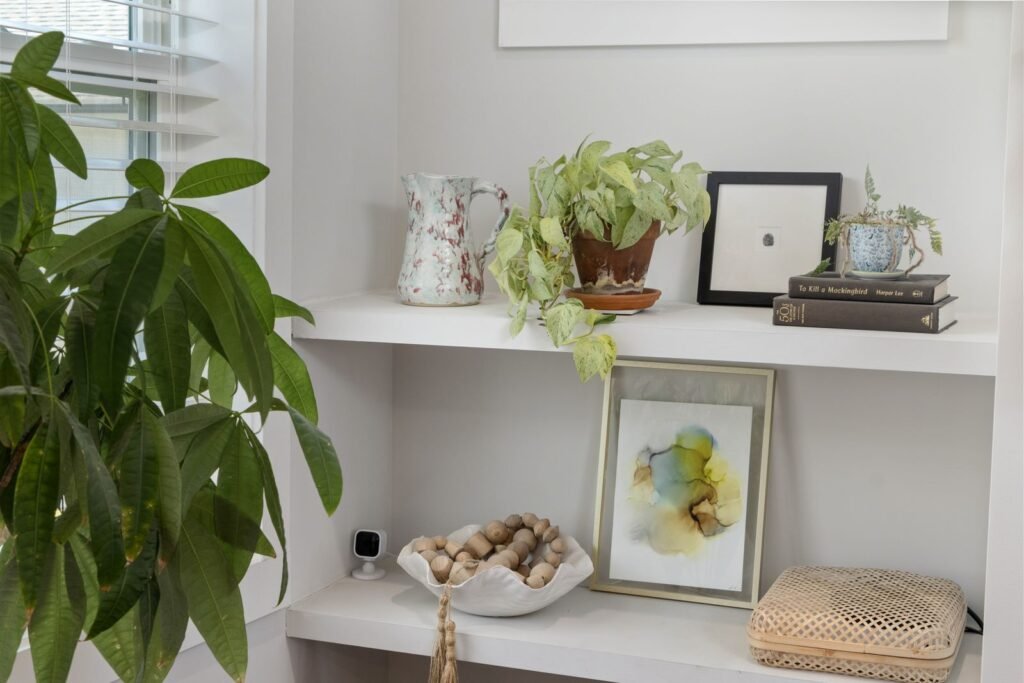
- Baskets. A fraction of new-price for the same woven seagrass.
- Picture frames. Ignore the art inside; you are buying the frame.
- Lamps. The base is the expensive part; dated shades are cheap to swap.
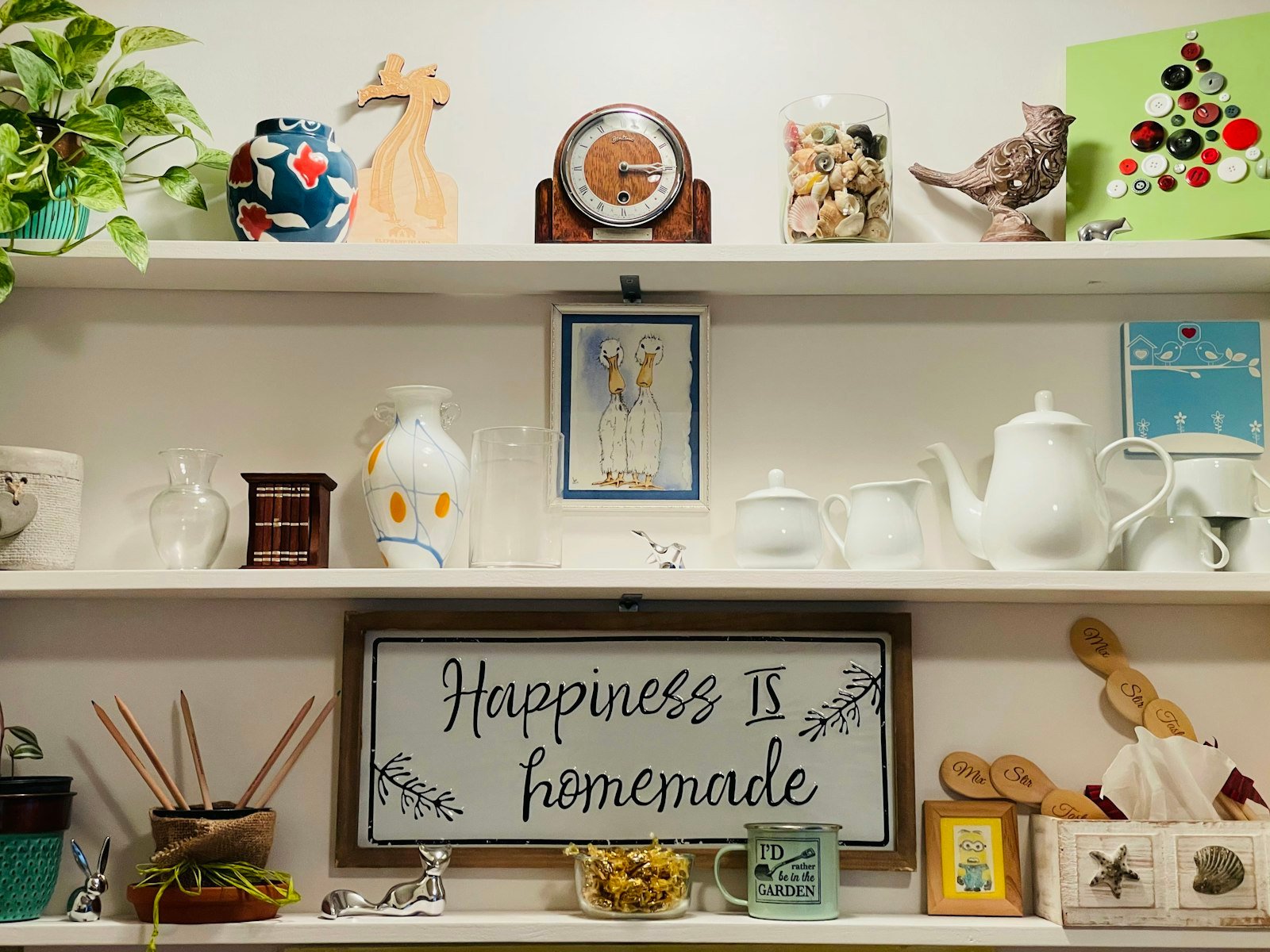
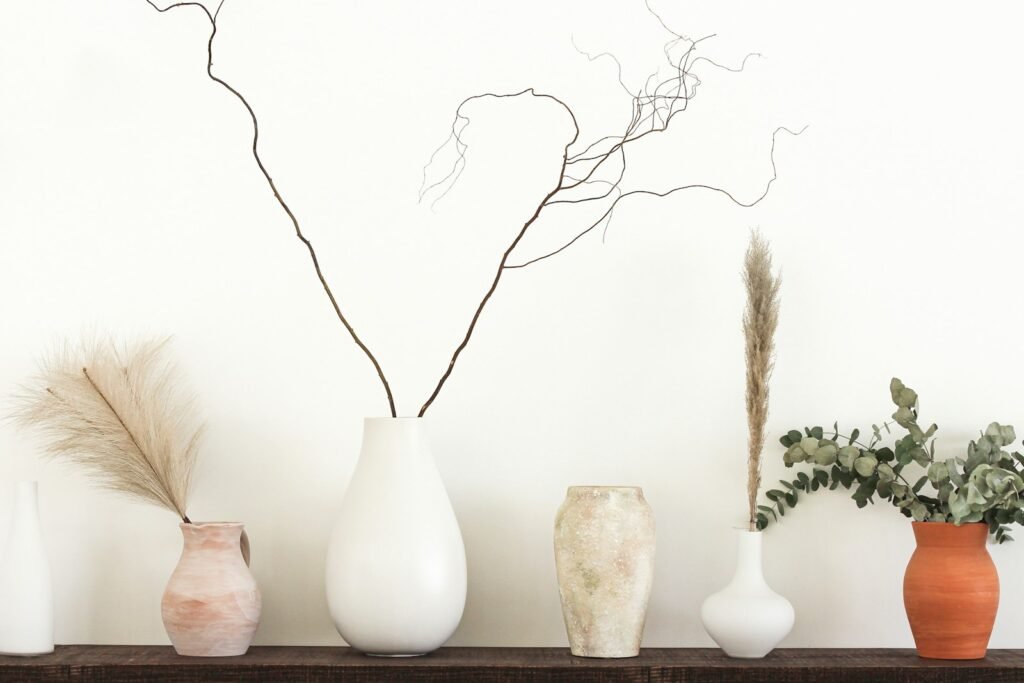
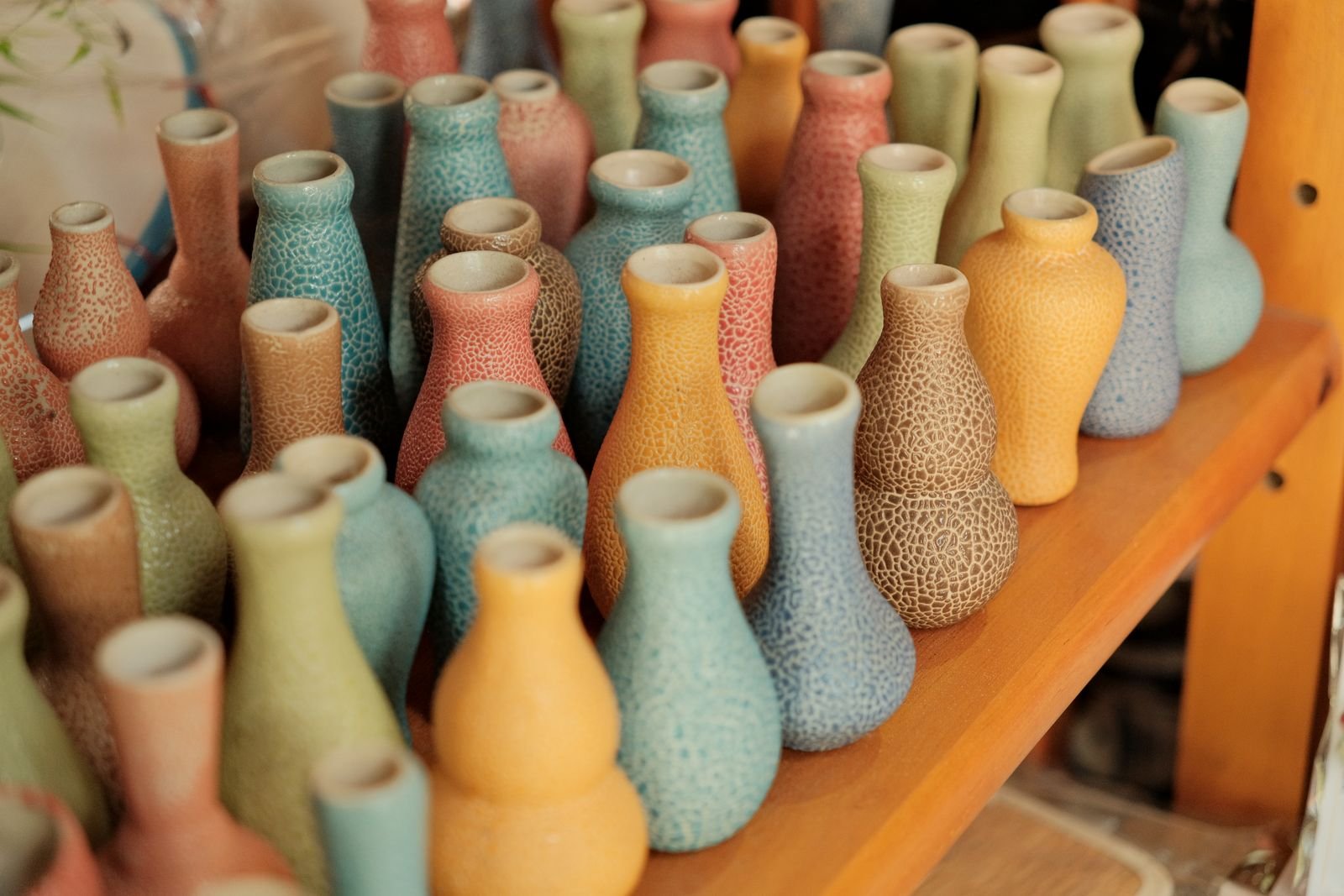
- Vases and vessels. Any shape you like — the finish is fixable, as you will see below.
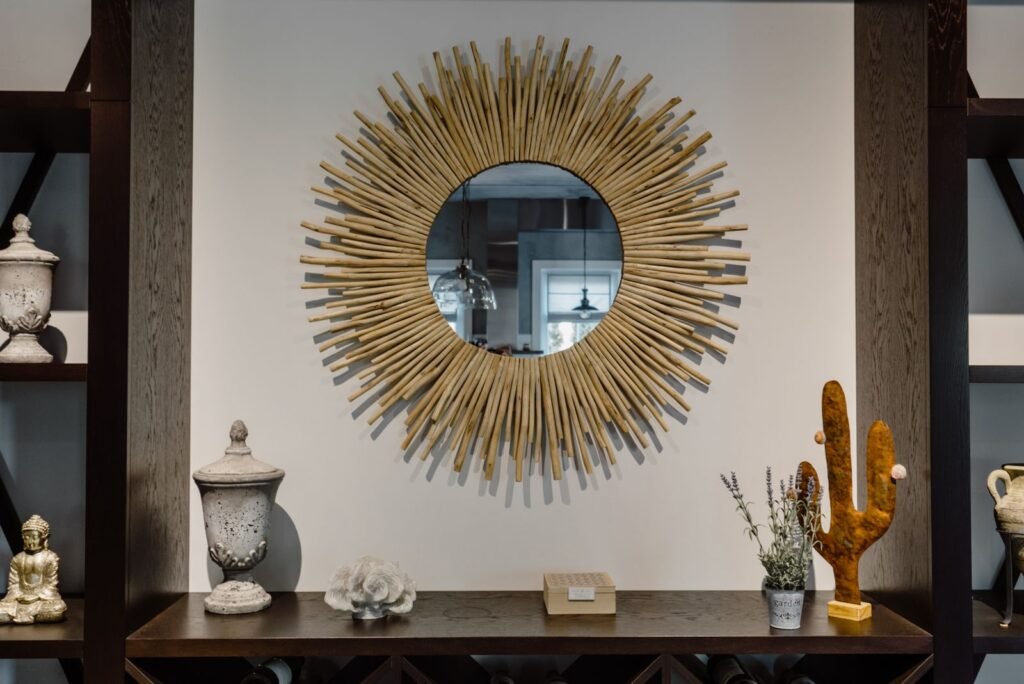
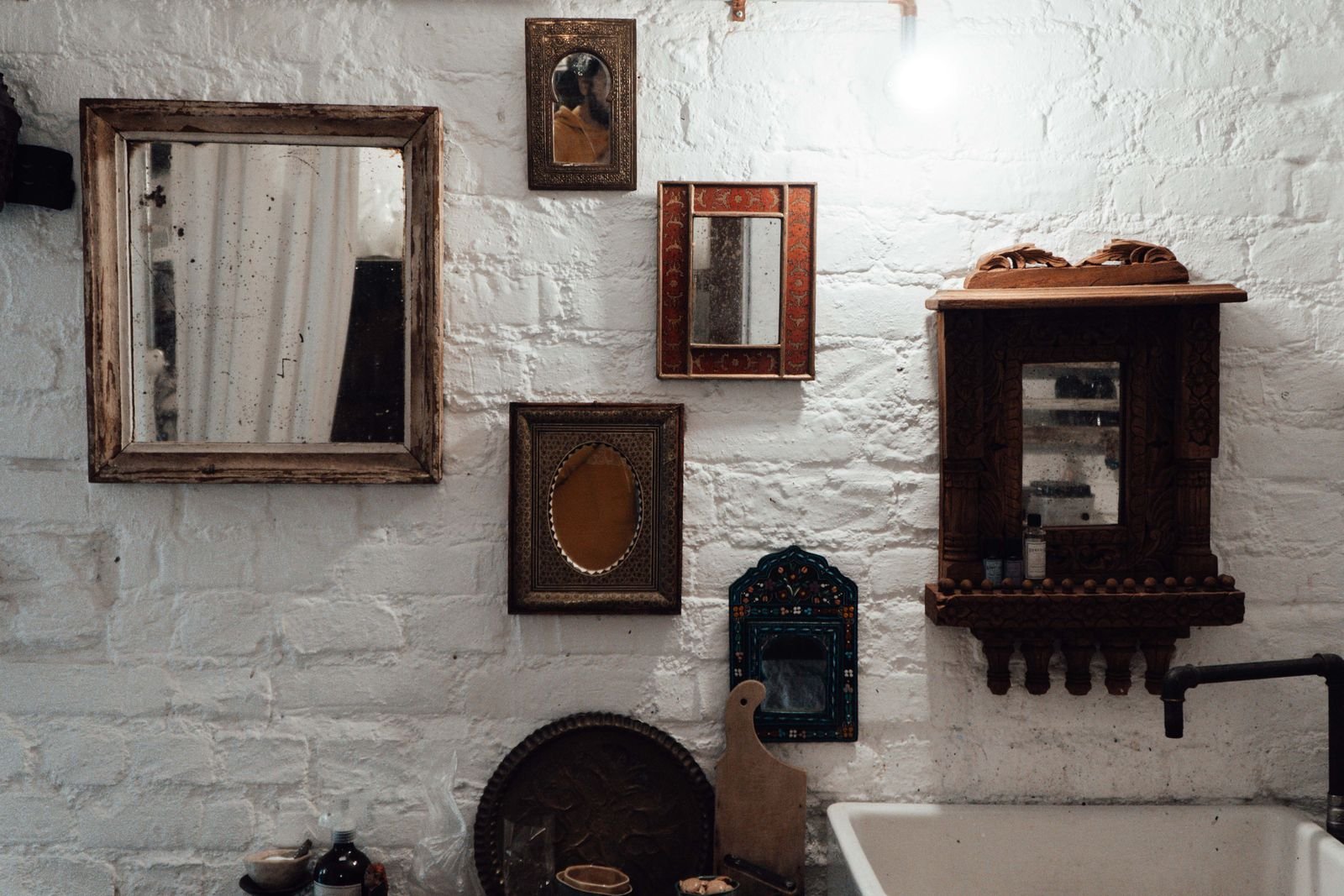
- Mirrors. Big, heavy, ornate mirrors are the single best thrift bargain.
Flips 1–5: Paint Fixes Almost Everything
1. The limewashed vase
- Grab any glass or ceramic vase with a good shape — even the shiny 90s ones.
- Mix baking soda into cheap matte craft paint (1 part soda to 3 parts paint), brush on two coats.
- Dries chalky and matte, just like designer “aged ceramic” vases.
2. The spray-painted frame wall
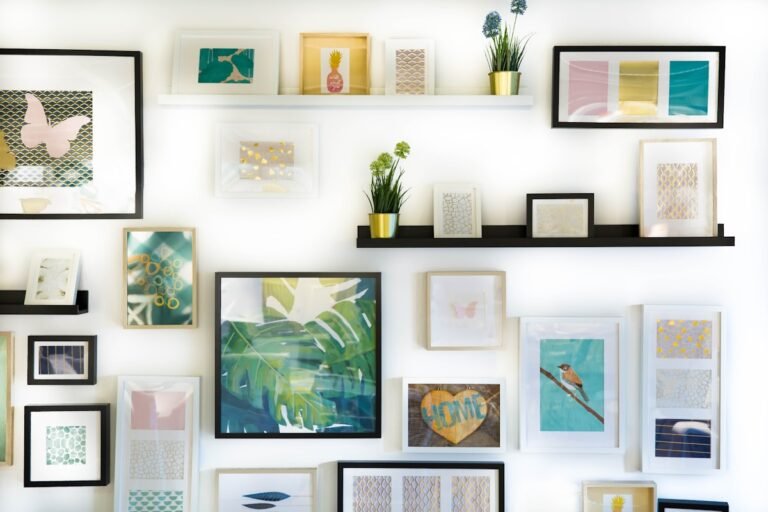
- Collect 6–10 mismatched thrift frames, pop out the art.
- One can of matte black or gold spray paint unifies them all.
- Fill with free printables, hang with adhesive strips — check the fixing weight, surface and lease requirements.
3. The painted side table
- Solid wood end tables are everywhere at Goodwill — usually orangey 80s oak.
- Identify the existing coating before preparation. Do not sand unknown old painted finishes; follow a compatible coating system’s instructions once safety is established.
- Deep green, black, or cream instantly reads custom.
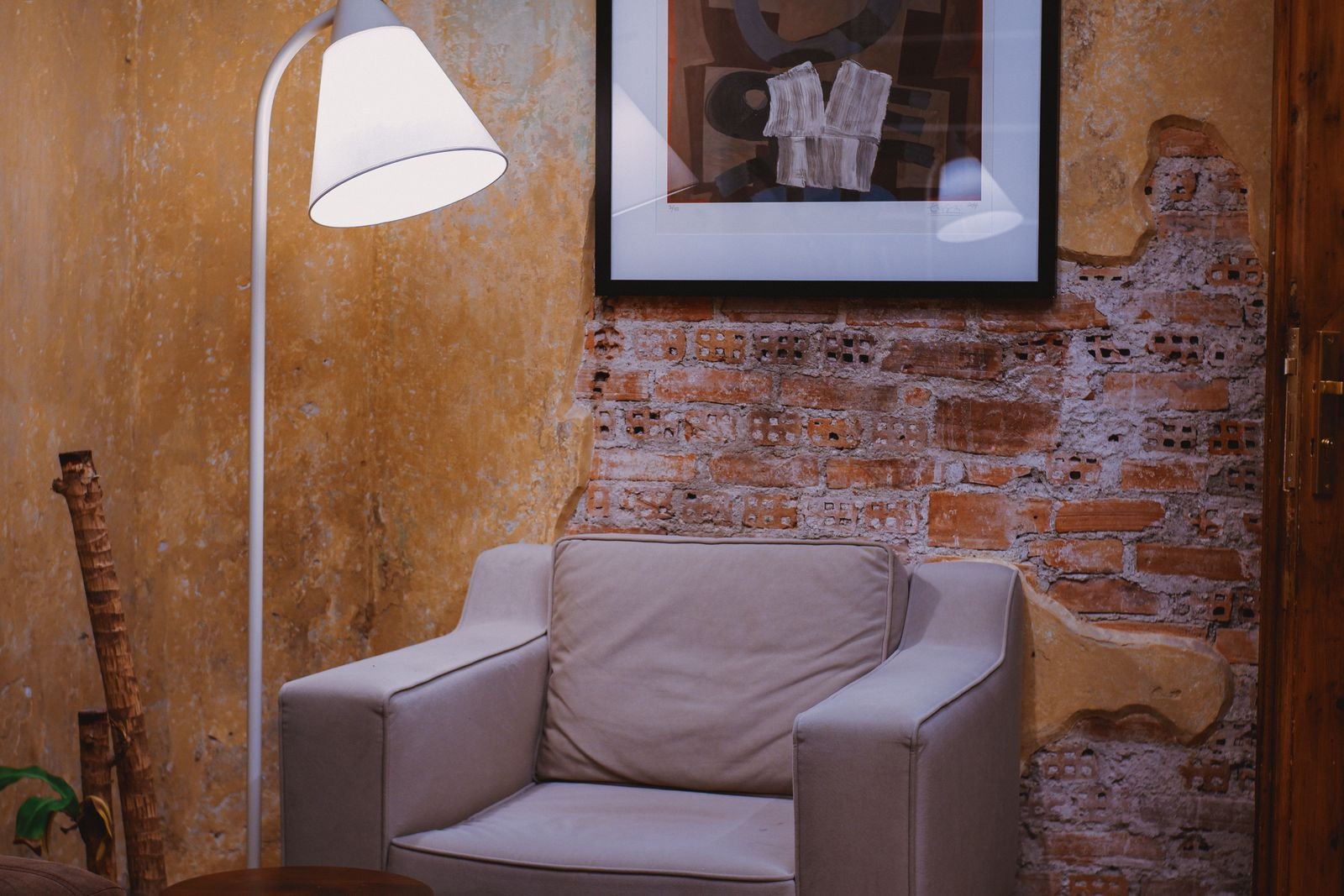
4. The lamp makeover
- Ugly color, great shape — that is the buy.
- Use paint rated for the base material; unplug the lamp, protect all electrical parts and follow ventilation and cure directions.
- Add a new drum shade and a warm 2700K bulb — instant designer look.
5. The “aged terracotta” pot
- Same baking-soda paint trick, on thrifted planters, in warm white or clay tones.
- Rub a little dirt into the crevices before it dries — instant age.
Flips 6–10: Hardware, Fabric, and Five-Minute Wins
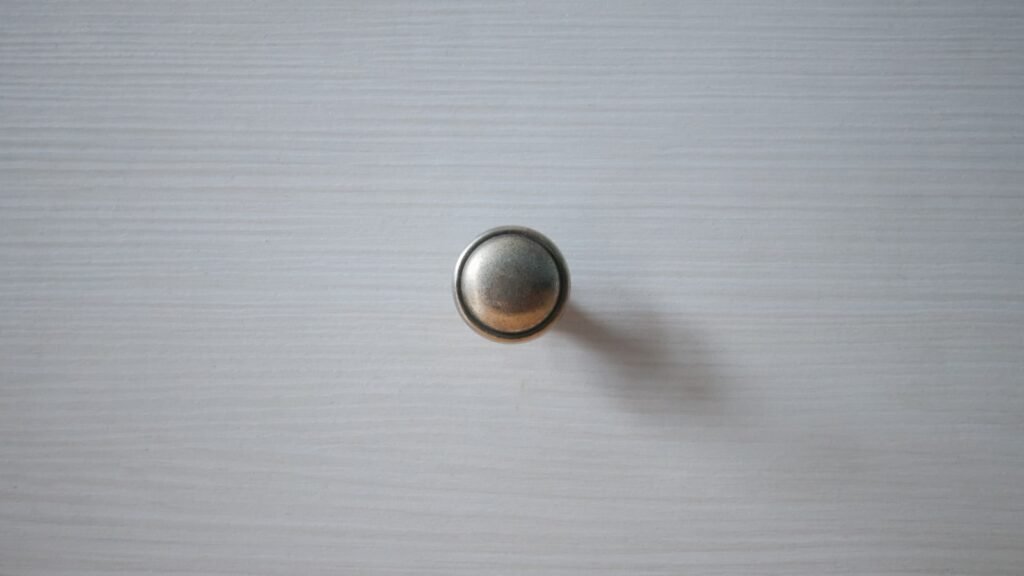
6. The knob swap
- New hardware is the highest-impact, lowest-effort furniture upgrade that exists.
- A thrifted dresser plus a set of brass, matte black, or wood knobs looks like a designer piece.
- Old holes do not match? Wood filler dries in an hour.
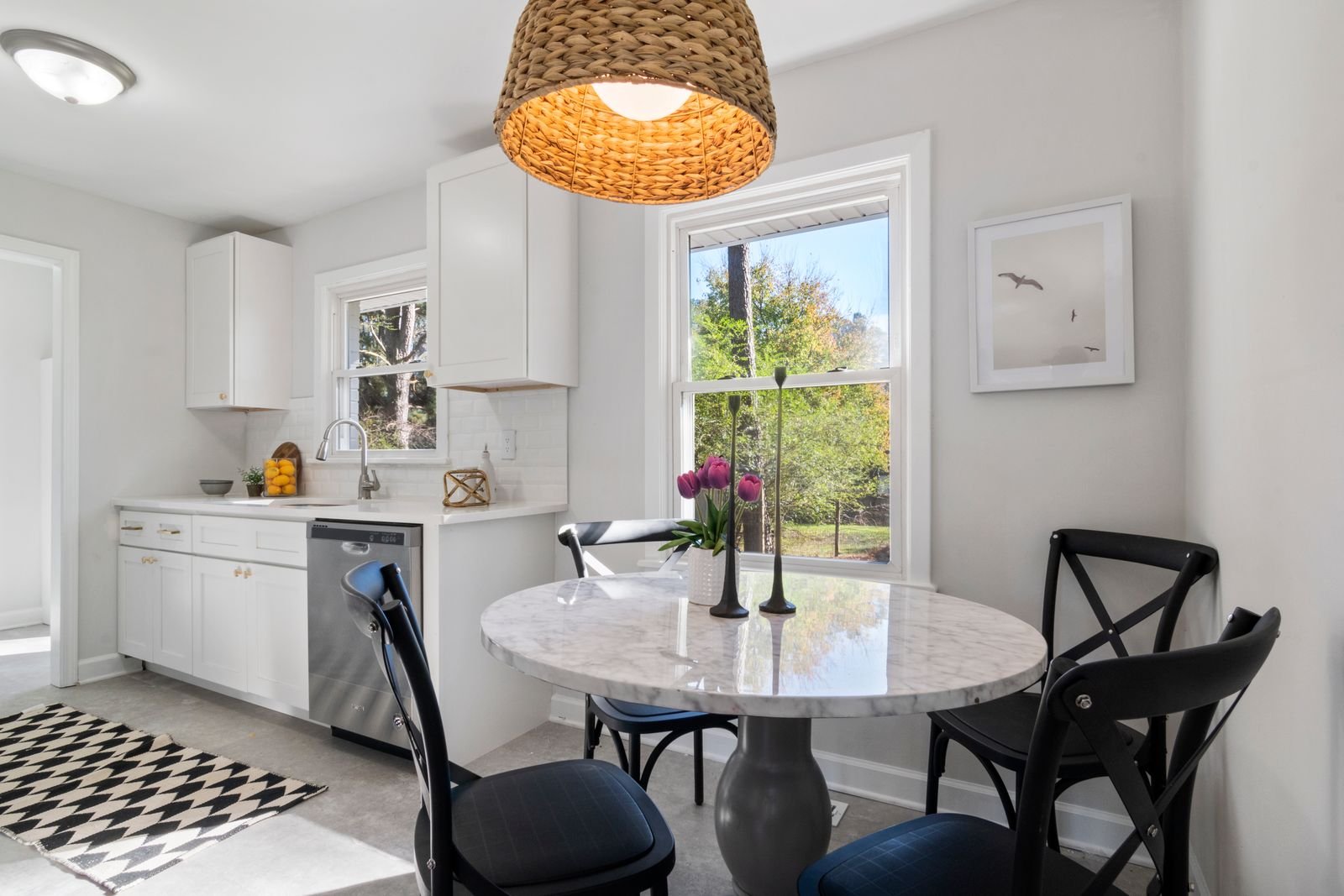
7. The reupholstered seat cushion
- Dining chairs with drop-in seats are secretly the easiest DIY in the world.
- Unscrew the seat, stretch new fabric (a thrifted curtain works) over it, staple, screw back on.
- A set of four thrifted chairs recovered this way costs a fraction of one new chair.
8. The brass polish (or the anti-polish)
- Use a surface-compatible brass cleaner as directed; delicate, plated or coated pieces may require different care.
- The insider move: patina is in. Half the time the correct flip is to just wash it and let the age show.
- Use battery candles in stable holders on a clear surface = an Anthropologie vignette for pocket change.
9. The basket wall
- Five to seven flat-ish woven baskets, hung in a loose cluster with adhesive hooks.
- The warm, texture-heavy wall decor Pinterest loves — and not a nail hole in sight.
10. The re-shaded, re-bulbed everything
- A policy, not a project: every thrifted light gets a new shade and a warm bulb.
- Lighting is where “old” becomes “vintage” — usually just the shade.
Flips 11–15: The Bigger Swings
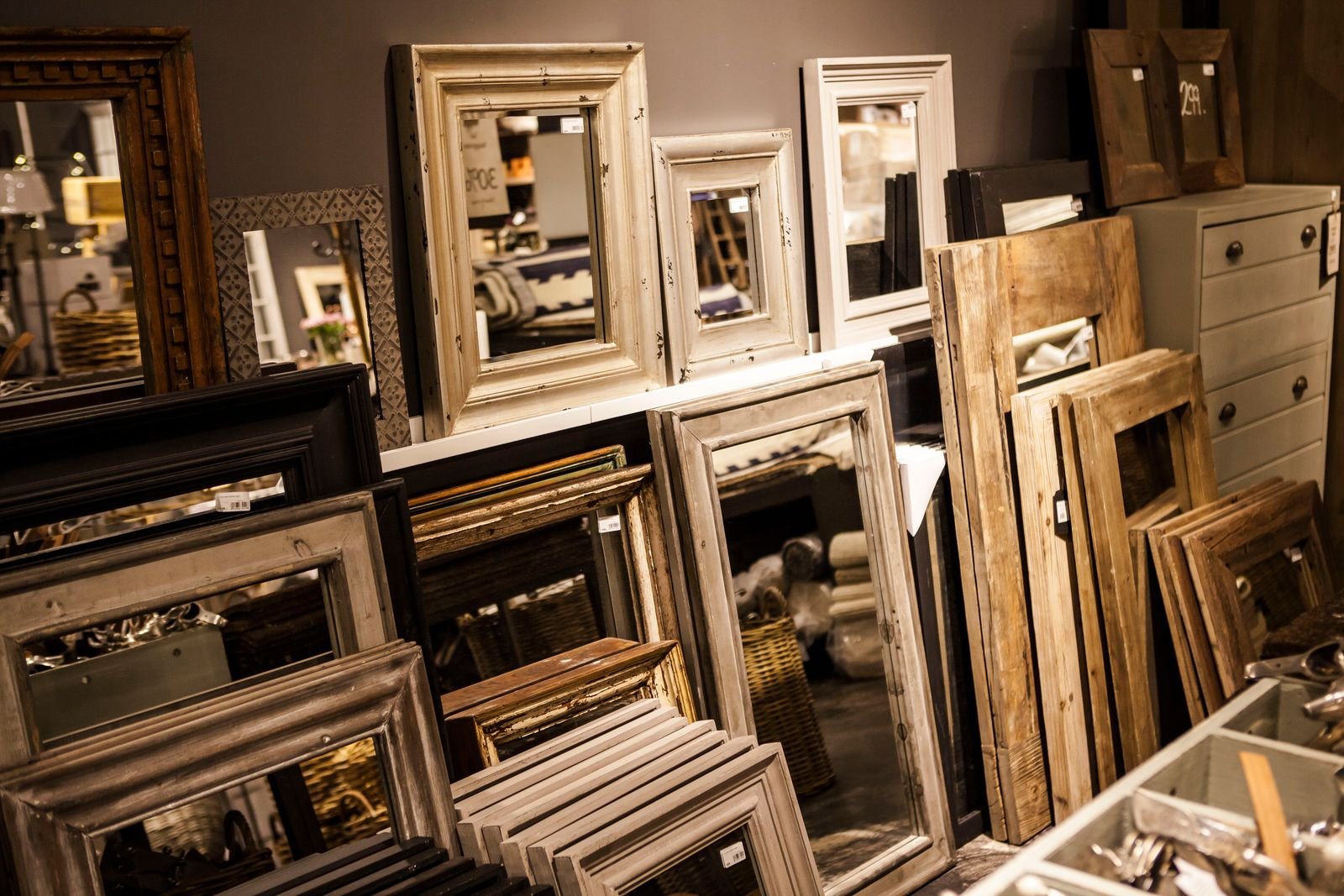
11. The mirror upgrade
- Ornate gold 80s mirrors are everywhere secondhand.
- Leave the gold if it is good, or spray it matte black for modern drama.
- Use suitable manufacturer-specified mounting or anti-tip restraints with approved fixings. A heavy mirror leaning against furniture can fall; skip it if you cannot secure it safely.
12. The bar cart revival
- Metal and glass carts show up thrifted constantly.
- Tighten every screw, clean the glass, spray the frame gold or black if the finish is rough.
13. The nightstand pair-up
- You do not need matching nightstands — you need two solid wood tables of similar height.
- Painted the same color with the same knobs, they read as a deliberate set.
14. The headboard from nowhere
- Estate sales regularly turn up carved wood and cane headboards for very little.
- Clean, paint if needed, attach to a metal frame or secure behind the bed.
- Possibly the single biggest dollar-saver on this list.
15. The art-from-the-frame flip
- Sometimes the painting itself is the find — moody landscapes and little oil florals are having a moment.
- If the frame is ugly, swap it; if the art is ugly, keep the frame. Either way you win.
What to Leave on the Shelf
- Particleboard anything. Sticker “wood grain” or stapled drawers — paint won’t save it. Check the back and drawer insides.
- Upholstered pieces with odor or stains. A drop-in seat is a quick fix; a musty armchair isn’t. Smell everything.
- Anything wobbly at the joints. Loose screws tighten; cracked joints rarely hold. Lean on it in the store.
- Old cribs, car seats, and helmets — safety standards change, never worth it.
- Non-stick cookware and anything that plugs in and sparks. Damaged electrical cords, sockets or switches require qualified repair; skip unsafe lamps rather than plugging them in to test.
- Pre-1980 painted furniture you plan to sand — it can carry lead paint. Do not disturb or casually paint over a suspect coating. Seek qualified lead-testing advice or skip the piece.
Where to Hunt (and When)
- Goodwill and Salvation Army: volume plays — go often, scan fast. Ask staff which day new stock hits the floor.
- Estate sales: where the solid wood and real brass live. First morning for selection, last afternoon for discounts — bring cash and a tape measure.
- Facebook Marketplace: the thrift store that comes to you. Search “solid wood dresser” or “vintage brass lamp,” and check the bad-photo listings — that’s where deals hide.
- Curb finds: free, best at month-end in apartment-heavy areas. Wood and metal only — nothing upholstered.
The Honest Math: Thrift Flip vs. Retail
Calculate the whole cost before buying: purchase price, transport, cleaner, primer, paint, hardware and any qualified repairs.
🧾 Example spending cap
Example $50 small-project cap: piece $15, appropriate cleaner and preparation $10, compatible paint $15, hardware or finishing supplies $5, reserve $5. This is illustrative, not a receipt or a verified retail saving. Tax and transport are extra.
FAQ: Thrift Flip Questions I Get Constantly
Do I need to sand furniture before painting it?
Preparation depends on the finish and paint system. Do not sand an old coating of unknown composition. Follow the manufacturer’s preparation, primer and cure instructions.
What is the best paint for thrift flips?
Furniture: a water-based enamel that cures hard, no topcoat. Decor: craft paint plus baking soda for limewash, and a multi-surface spray for frames and metal.
How do I know if furniture is solid wood?
Check for dovetail joints and lift one end — weight alone is inconclusive. Veneer can cover sound plywood or other substrates; inspect condition and exposed edges rather than rejecting every veneered piece.
Grab the Ugly Lamp
If you take one thing from this list: stop shopping for finished pieces and start shopping for shapes. The dated brass lamp, the orange-oak table, the shiny 90s vase — none of them are ugly. They’re unfinished.
Start small this weekend: one vase, one bottle of craft paint, one spoonful of baking soda. When it dries chalky and perfect, you’ll get it.
Before you flip
Use suitable ventilation and protection specified on product labels; protect rented floors. Decorative craft coatings are not food-contact finishes or true mineral limewash, and adding baking soda can change paint performance. Trial on a small decorative piece and keep coatings away from vessel interiors and drainage holes.
Old painted surfaces may contain lead. See EPA lead-exposure guidance. Check secondhand product recalls and use required furniture restraints.