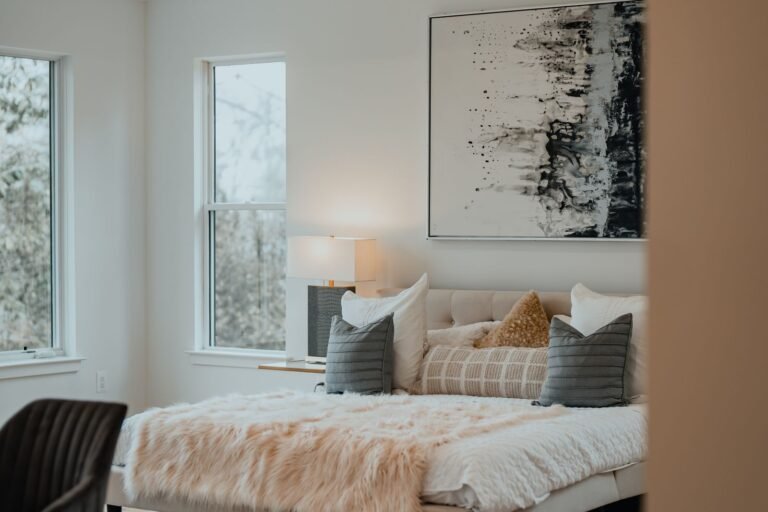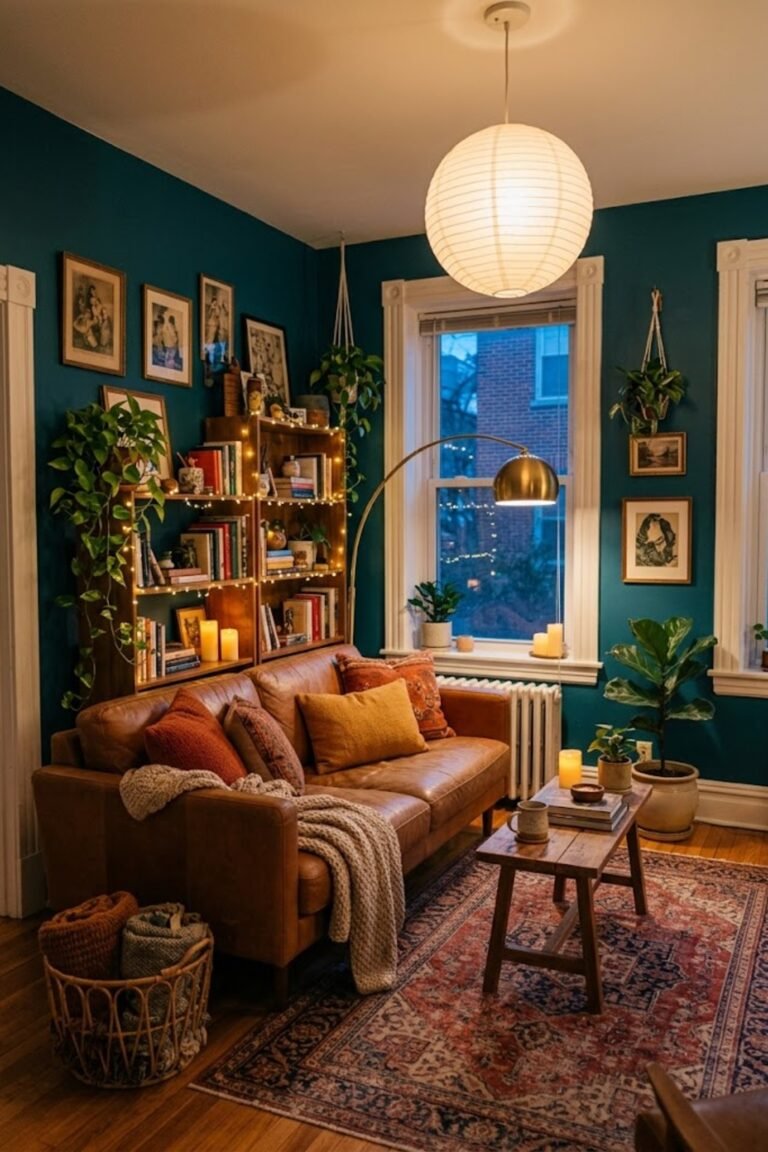
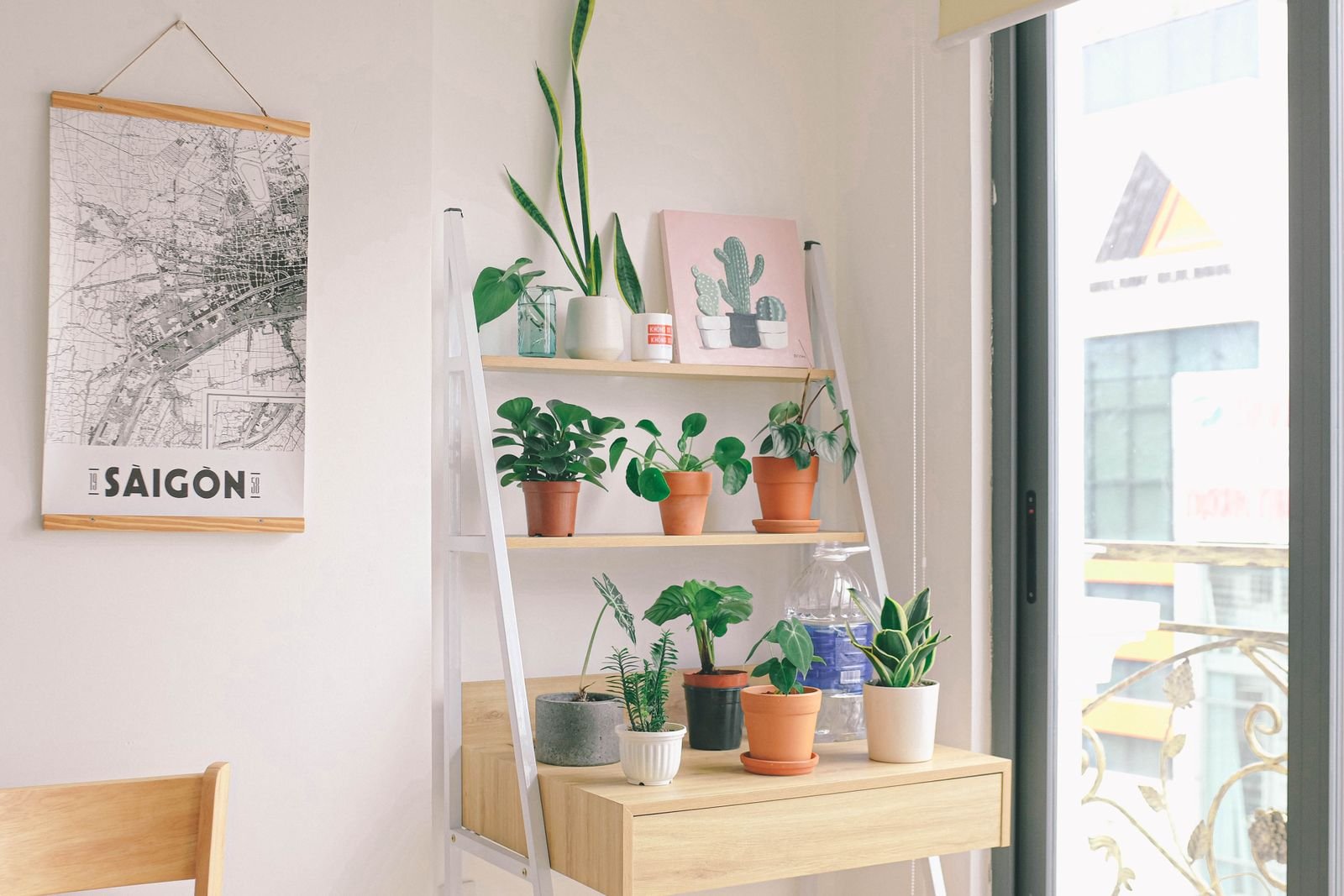
Choose plants for your actual light, use drainage, and check species safety around pets. Start small and reuse decorative pots; no plant is unkillable.
In this guide
- 1. Start with the easy-care options
- 2. Buy small, buy cheap
- 3. The rule of three heights
- 4. Thrift every pot
- 5. Propagate instead of purchasing
- 6. Put plants where decor fails
- 7. Fake it where it is dark
- 8. Herbs: decor you can eat
- 9. Style the soil line
- 10. Group maintenance into one ritual
- Before bringing a plant home
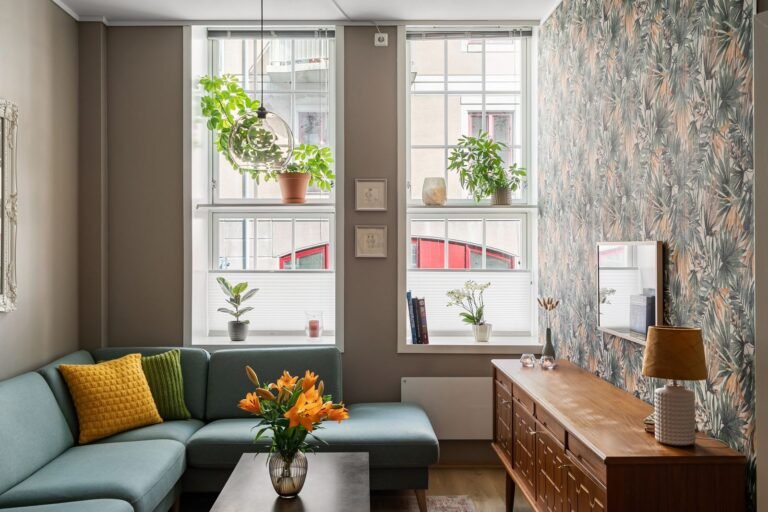
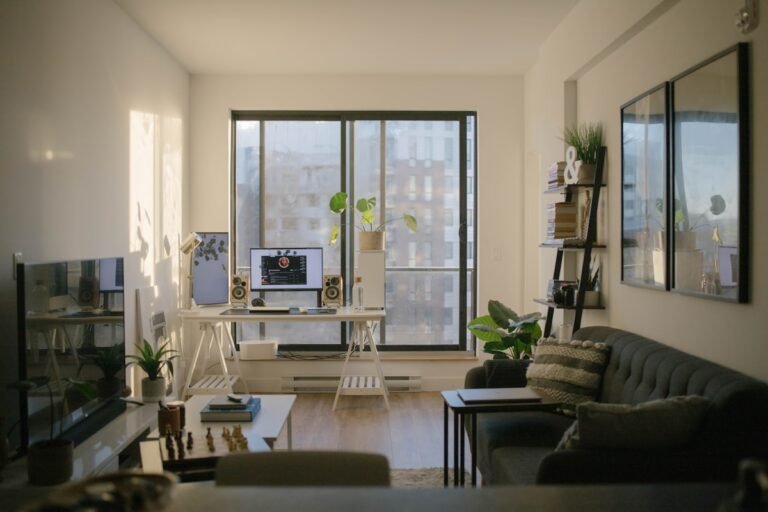
Plants are the cheapest decor category that reads as expensive. One trailing pothos does more for a sad corner than a shelf full of decorative objects — it adds color, height, movement, and the sense that someone actually lives here. Here is how to build a plant-filled apartment on a real budget, even if your track record with greenery is… complicated.
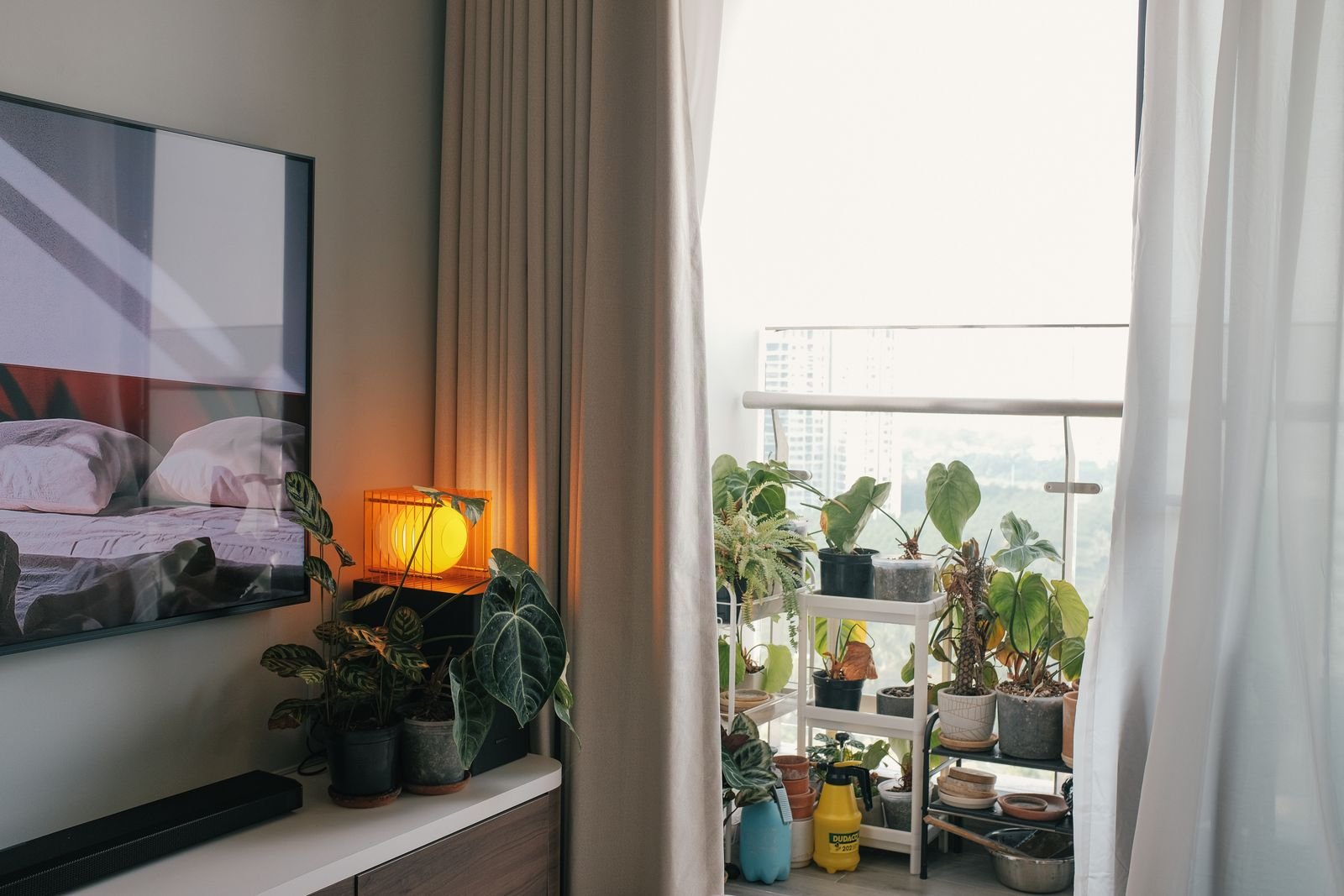
1. Start with the easy-care options
Match a plant to the available window light and its care label. Lower-light tolerance does not mean a plant can live in darkness:
- Pothos — trails dramatically, propagates for free.
- Snake plant — architectural, tolerates lower light and prefers its mix to dry between appropriate waterings.
- ZZ plant — glossy, with care needs that still depend on light and drainage.
- Spider plant — grows fast and makes free baby plants.
🌱 Skip these for now
No fiddle-leaf figs or calatheas until year two. They are the reason people think they have a black thumb.
2. Buy small, buy cheap
- Grocery stores and hardware stores sell the same species as boutique plant shops for a third of the price.
- A tiny 4-inch pothos reaches trailing glory in one season.
- Facebook plant groups and neighborhood swaps often hand out cuttings for free.
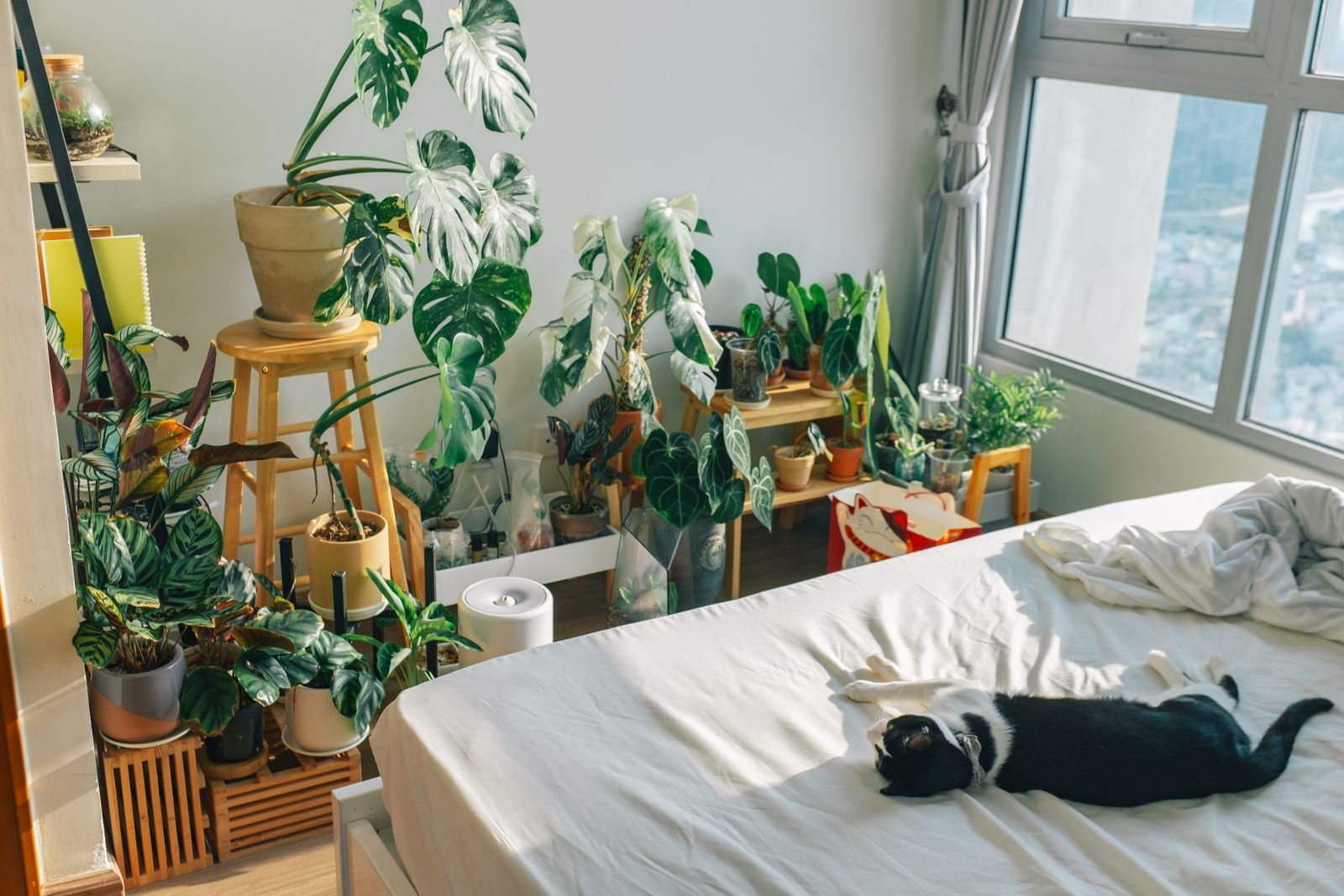
3. The rule of three heights
- Floor: a tall snake plant.
- Surface: a mid-size plant on a stool or shelf.
- Hanging/trailing: pothos on a high shelf.
One corner styled this way looks like a designed “moment” instead of a windowsill of orphans.
4. Thrift every pot
- New ceramic pots are where plant budgets die.
- Thrift stores overflow with ceramic planters, bowls, even soup tureens for pocket change.
- No drainage hole? Keep the plant in a nursery pot with drainage inside the decorative pot. Remove it to water, drain thoroughly and empty collected water before returning it.
5. Propagate instead of purchasing
- Pothos can root from stem sections with a node; spider plants can be propagated from plantlets. Use a species-specific method rather than treating every plant as a water cutting.
- Results depend on plant health, season and growing conditions; some cuttings fail.
- Old sauce jars on a windowsill work exactly as well as fancy “propagation stations”.
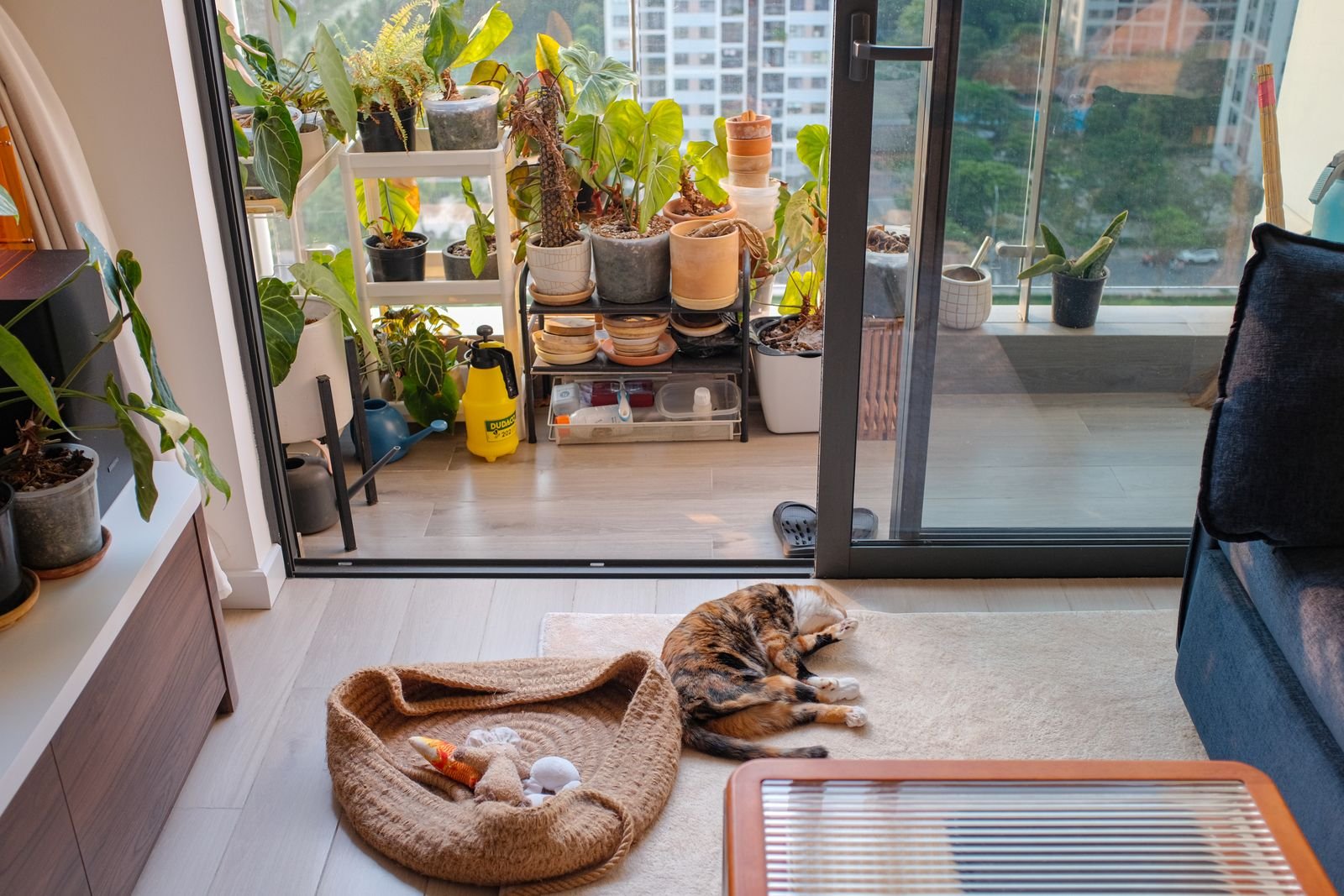
6. Put plants where decor fails
- The awkward gap beside the fridge → bakers rack + trailing plant.
- The dead corner behind the sofa arm → tall floor plant.
- The top of the kitchen cabinets → pothos trailing down. Our kitchen upgrade guide uses this trick twice.
7. Fake it where it is dark
- Windowless bathroom? A quality faux eucalyptus stem in a real ceramic pot passes inspection at conversation distance.
- The rule: fake plants only where real ones physically cannot survive — and always in a real pot. The plastic pot is what gives fakes away.
8. Herbs: decor you can eat
- Basil, mint, and rosemary in matching thrifted pots on the kitchen windowsill.
- Functional decor that also trims your grocery bill.
- Start from supermarket herb pots rather than seeds.
9. Style the soil line
- Top-dress the soil of larger plants with small stones, bark, or moss.
- Five minutes — and suddenly every plant looks like it came from a design studio.
10. Group maintenance into one ritual
- Check moisture and the species care label weekly; water according to need, not a fixed weekly schedule. Wipe dusty leaves and check for pests.
- Light, drainage and avoiding overwatering matter more than an automatic watering day.
- Dead plants are the one decor item that actively makes a room sadder.
💰 The starter budget
Example $80 cap: four small plants $32, reused or thrifted cachepots $18, potting mix $10, two herbs $10 and reserve $10. Local prices vary; tax and delivery are extra. Reuse containers and skip optional top dressing before reducing plant care.
Pair the tall floor plant with the lighting tricks from our living room guide — and if you are carving out a reading corner, that is exactly where the third plant goes.
Before bringing a plant home
Identify the exact species and check the ASPCA plant database if you have pets. Keep plants and loose decorative stones away from children and animals. A high shelf alone may not keep a climbing pet away.
Learn more from University of Maryland plant selection guidance and its potting guide.